Set Conditions Before Bottle Fill Level Detection Runs
Reliable Bottle Fill Level Detection depends on more than the inspection machine itself. The production environment, conveyor layout, floor condition, and storage process all influence whether a system can maintain stable image capture, accurate bottle tracking, and consistent rejection of nonconforming products. For buyers planning a new line or upgrading an existing one, these requirements should be confirmed before installation begins.

Environmental Requirements That Should Be Confirmed First
For Maotong liquid level inspection equipment, the defined operating window is clear and practical for production planning:
•Altitude range: 5–3,000 meters above sea level
•Operating temperature: 5°C–40°C
•Operating humidity: 50–65% RH
These limits apply to Bottle Fill Level Detection equipment such as the glass bottle liquid level online inspection system and related liquid level detection machines. Staying inside this range helps support stable operation of cameras, lighting, electronics, and control components during continuous online inspection.
In real factories, the key is consistency over time. A site that reaches 40°C only briefly may behave differently from a workshop that remains near the upper limit for long shifts. The same applies to humidity: excessive moisture can affect optics and electrical reliability, while overly dry conditions may create handling and static-related concerns. Before commissioning Bottle Fill Level Detection, production teams should check that the inspection area can stay within the stated environmental range during normal operation.
Factory Conditions That Support Stable Inspection
The installation site must comply with relevant national standards for floor flatness, load-bearing capacity, and related infrastructure conditions. These are not minor civil-work details; they directly affect machine stability.
For Bottle Fill Level Detection, the inspection cabinet, camera station, conveyor section, and rejector must remain aligned. If the floor is uneven or lacks sufficient load-bearing strength, vibration or gradual misalignment may reduce inspection consistency. A stable site helps the equipment maintain repeatable bottle positioning and supports accurate rejection timing.
Conveyor Layout for Glass Bottle Liquid Level Inspection
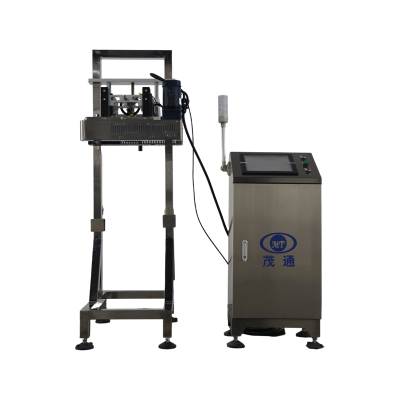
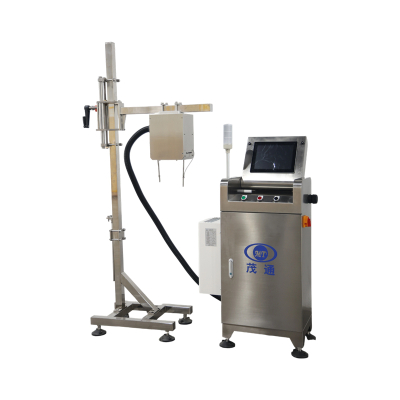
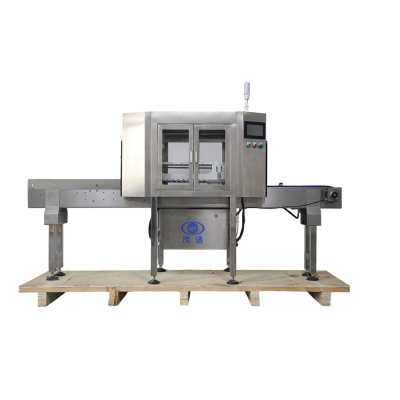
The glass bottle liquid level detector, model Bottle Fill Level Detection, is designed for installation on a single-lane conveyor after the filler, where the liquid level is stratified and visible. The conveyor conditions at the inspection point should include:
•Bottle spacing greater than 2 cm
•A 2-meter straight conveyor section without bottle blockage
•A clearly visible liquid level boundary line
•Stable bottle movement through the detection station
These conditions allow the camera to capture a repeatable view of the liquid level and help the control system match each bottle with the correct rejection signal. For high-speed Bottle Fill Level Detection, the conveyor is therefore part of the inspection system, not just a transport device.

Technical Snapshot of Bottle Fill Level Detection
The glass bottle liquid level online inspection system uses machine vision technology for fully automatic, non-contact online inspection of liquid level defects in glass bottles.
| Item | Specification |
|---|---|
Model | Bottle Fill Level Detection |
Container type | Glass bottles |
Filling volume range | 100 mL–1,000 mL |
Rated capacity | 1,000 bottles/minute standard configuration |
Main power | 3 × 380 V AC ±10%, 50 Hz, 3PH + N + PE |
Lighting power | 220 V AC, 50 Hz, single-phase |
Total power | Approx. 1.0 kW |
Control voltage | 24 VDC |
Noise level | ≤85 dB, subject to site conditions |
For low liquid level detection, the stated performance is ±2 mm detection accuracy, ≥99.9% rejection rate, and ≤0.05% false rejection rate, under the specified installation and operating conditions. In other words, when the site meets the environmental and conveyor requirements above, Bottle Fill Level Detection is engineered to deliver both high throughput and stable quality control.
Storage Conditions Before Commissioning
After delivery, equipment and components should be stored in facilities that comply with relevant national standards. During storage, regular lubrication and maintenance are required to prevent surface damage, corrosion, or deformation that may affect installation, commissioning, or later operation.
This step is especially important when Bottle Fill Level Detection equipment is delivered before the production line is ready. Cabinets, mounting structures, optical components, and precision parts should be protected from moisture, impact, and poor handling. Good storage practice reduces commissioning delays and protects the long-term reliability of the inspection system.
Buyer Readiness Checklist
Before purchasing or installing Bottle Fill Level Detection, buyers and engineers should confirm:
•The site operates between 5–3,000 m altitude
•Temperature remains within 5°C–40°C
•Relative humidity is maintained at 50–65% RH
•Floor flatness and load-bearing capacity meet relevant national standards
•The glass bottle inspection point has a single-lane conveyor after the filler
•Bottle spacing is greater than 2 cm
•A 2 m straight conveyor section is available without blockage
•The liquid level boundary is clear at the detection position
•Equipment storage includes lubrication and protection against corrosion or deformation
When these conditions are addressed early, Bottle Fill Level Detection can be integrated more smoothly into the production line and operated under the environment for which it is designed.
FAQs
What is the required operating altitude for Bottle Fill Level Detection?
The specified altitude range is 5–3,000 meters above sea level.
What temperature range should the inspection area maintain?
The operating temperature should remain between 5°C and 40°C.
What humidity level is recommended?
The specified relative humidity range is 50–65% RH.
Where is the glass bottle liquid level detector installed?
It is installed on a single-lane conveyor after the filler, at a position where the liquid level is stratified and visible.
What conveyor layout is required?
The system requires bottle spacing greater than 2 cm and a 2-meter straight conveyor section without bottle blockage.
What accuracy is specified for low liquid level detection?
The glass bottle liquid level detector specifies ±2 mm detection accuracy, with a rejection rate of ≥99.9% and false rejection rate of ≤0.05%.