Application of AI Machine Vision Inspection Technology in the Food Industry: How to Safeguard Food Safety?
In the food industry, quality and safety are always the top concerns for consumers. With continuous technological advancements, AI machine vision inspection technology is gradually becoming a new favorite in the food industry. It can not only efficiently detect the appearance, size, and color of food, but also accurately identify defects and foreign objects, safeguarding food safety. Today, we will delve into the application of AI machine vision inspection technology in the food industry and see how it safeguards food safety.
I. Introduction to AI Machine Vision Inspection Technology
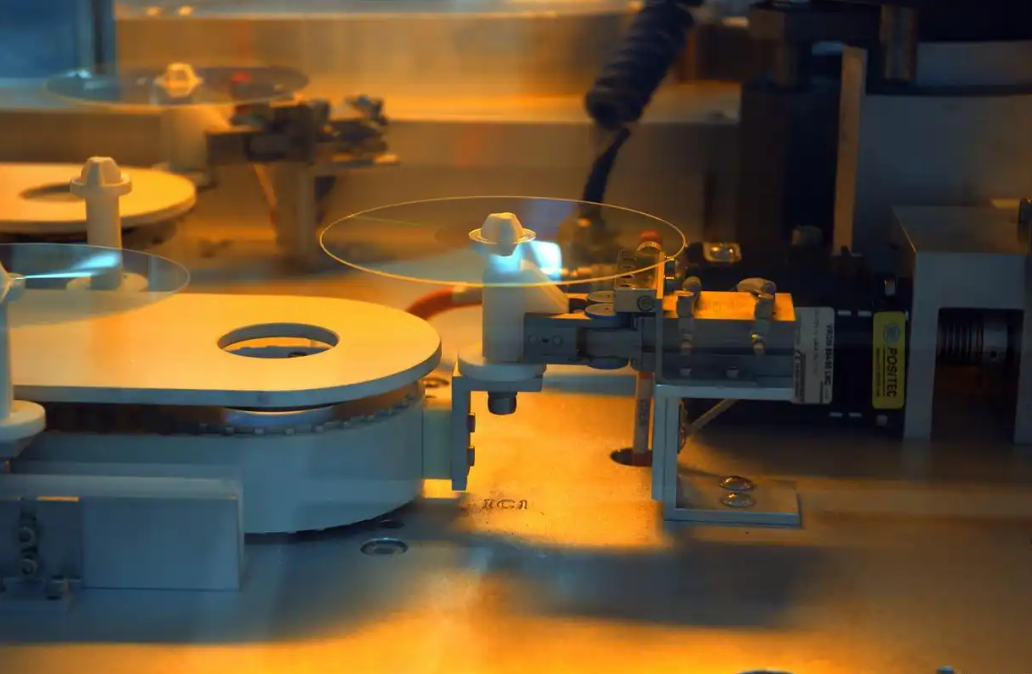
AI machine vision inspection technology is a high-tech method combining artificial intelligence and computer vision. It captures images through high-resolution cameras and then uses deep learning algorithms to analyze and process the images, thereby achieving automatic detection and recognition of objects. In the food industry, this technology is widely used in various stages such as appearance inspection, size measurement, color recognition, and foreign object detection, greatly improving the efficiency and quality of food production.
II. Application Scenarios of AI Machine Vision Inspection Technology in the Food Industry
(I) Appearance Defect Detection
The appearance of food is one of the important factors influencing consumers' purchasing decisions. AI machine vision inspection systems can capture food images using high-resolution cameras and utilize image processing algorithms to identify products that do not meet standards. For example, in fruit sorting, the machine vision system can identify the size, color, and surface defects of the fruit, thus achieving automatic sorting. Furthermore, for packaged foods such as biscuits and candies, the machine vision system can also detect the integrity of the packaging, ensuring that the product is not contaminated due to packaging damage during transportation and sales.
(II) Size Measurement
For foods with strict size requirements, such as candies and biscuits, AI machine vision inspection technology can achieve precise size measurement. Through high-precision measurement, companies can ensure that the size of each product meets standards, thereby improving product quality and consistency. This precise size measurement not only helps improve the appearance quality of the product but also reduces waste caused by size discrepancies to a certain extent.
(III) Color Detection
The color of food directly affects consumers' purchasing desire. AI machine vision inspection systems can detect the color of food and assess whether it meets preset color standards. For example, the freshness of meat products is usually closely related to their color; the machine vision system can quickly and accurately detect color changes, thereby judging the quality of the product. Furthermore, for some foods requiring color grading, such as tea and coffee beans, machine vision systems can also classify them into different grades based on color.
(IV) Foreign Object Detection
During food production, foreign objects such as metal and plastic may be mixed in. AI machine vision inspection technology combined with X-ray inspection technology can effectively identify and eliminate these potentially hazardous substances. For example, a high frame rate line scan camera combined with enhanced detection algorithms can detect small foreign objects, such as hair and small flying insects, even if the product is 1 meter wide, with a detection accuracy of up to 0.06 millimeters. This high-precision foreign object detection technology not only improves food safety but also reduces consumer complaints caused by foreign object contamination.
III. Advantages of AI Machine Vision Inspection Technology
(I) Improved Inspection Speed and Efficiency
AI machine vision inspection systems can perform continuous inspections, significantly improving the inspection speed and efficiency of the production line. For example, DeepVision Technology's industrial AI vision system can complete complex inspection tasks in a short time, significantly improving the defect detection rate of products. This efficient inspection method not only reduces the time and cost of manual inspection but also improves production efficiency, bringing higher economic benefits to enterprises. (II) Improved Inspection Accuracy
Manual inspection is susceptible to subjective factors and fatigue, while AI machine vision inspection systems can maintain high accuracy over extended periods. Through the application of artificial intelligence technologies such as deep learning, machine vision inspection systems achieve more intelligent image recognition and analysis capabilities, further improving the accuracy and adaptability of inspections. This highly accurate inspection method not only improves food quality and safety but also reduces losses due to inspection errors.
(III) Reduced Costs
Although the initial investment is significant, AI machine vision inspection systems can save substantial labor costs and reduce waste caused by human inspection errors during operation. Furthermore, it can improve production efficiency and reduce defect rates, thereby bringing higher economic benefits to enterprises. This cost-effectiveness not only enhances the competitiveness of enterprises but also brings more profit margins.
(IV) Enhanced Food Safety
AI machine vision inspection systems can promptly detect potential safety hazards in the food production process, effectively preventing substandard products from entering the market. Through high-precision inspection and analysis, it provides strong protection for food safety, allowing consumers to purchase and consume food with greater peace of mind. This food safety assurance not only enhances consumer trust but also brings better market reputation to enterprises.
IV. Future Prospects of AI Machine Vision Inspection Technology
With continuous technological advancements, AI machine vision inspection technology will usher in new development opportunities in the following aspects:
(I) Intelligentization
Through the application of artificial intelligence technologies such as deep learning, AI machine vision inspection systems will be able to achieve more intelligent image recognition and analysis capabilities. It will be able to automatically learn and adapt to different inspection scenarios, further improving the accuracy and efficiency of inspection. This intelligent inspection method will not only improve the quality and safety of food but also bring higher production efficiency to enterprises.
(II) Integration
AI machine vision inspection systems will be more closely integrated with other automated equipment and information systems to achieve data sharing and decision support. This will build a more intelligent production environment, improving overall production efficiency and quality. This integrated inspection method will not only improve the production efficiency of enterprises but also bring them better market competitiveness.
(III) High Resolution and High Speed
With the improvement of camera technology, AI machine vision inspection systems will have higher resolution and processing speed. This will enable them to handle more complex inspection tasks and meet the food industry's demand for high-quality inspection. This high-resolution and high-speed inspection method not only improves food quality and safety but also brings higher production efficiency to enterprises.
(IV) Multi-dimensional Inspection
Combining 3D vision technology, spectral imaging technology, and other technologies, AI machine vision inspection systems will be able to inspect food from multiple dimensions. For example, it can not only inspect the appearance and size of food but also analyze its composition and internal structure. This multi-dimensional inspection method not only improves food quality and safety but also provides enterprises with more inspection information.
(V) User-friendliness
With the popularization of technology, AI machine vision inspection systems will become easier to operate and maintain. This will reduce the technical requirements for operators, enabling more enterprises to easily apply this technology. This user-friendly inspection method not only improves enterprise production efficiency but also brings a better user experience.
V. Conclusion
The application of AI machine vision inspection technology in the food industry is becoming increasingly widespread. By improving inspection speed, accuracy, and efficiency, it significantly enhances food safety levels. In the future, with continuous technological advancements, AI machine vision inspection technology will usher in new development opportunities in areas such as intelligence, integration, and high performance. It will safeguard food safety and provide consumers with safer and healthier food choices. If you are interested in the application of AI machine vision inspection technology in the food industry, or would like to learn more, please leave a comment!