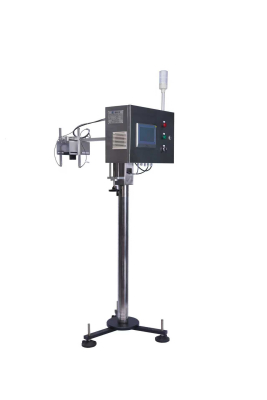
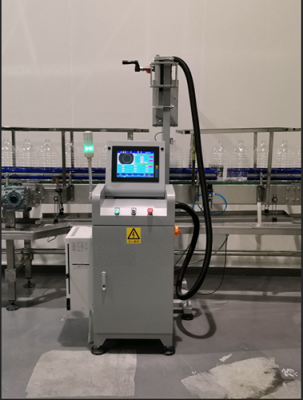
Craft Beer Can Leak Detection Machine Keeps Lines Stable
In craft beer canning, a sealing defect can move quietly through production before it becomes visible in distribution. The result may include product loss, reduced package reliability, and extra rework. A Craft Beer Can Leak Detection Machine is designed for non-contact online inspection, helping production teams check sealing quality continuously while automatically removing defective cans from the line.

Why Sealing Inspection Matters in Craft Beer Canning
Craft beer cans depend on stable sealing performance. If cap formation, alignment, or sealing consistency is not controlled, defective products may pass manual checks and continue downstream. For breweries, the challenge is not only finding a single faulty can; it is preventing repeated defects caused by sealing machine faults.
The Craft Beer Can Leak Detection Machine addresses this production risk through online inspection. It performs 360° bottle cap inspection without damaging the product and can help identify sealing machine problems in time, reducing the chance of producing large quantities of defective products.
Core Functions of the Craft Beer Can Leak Detection Machine
This system is positioned as a sealing inspection solution for craft beer cans. Its main function is to conduct sealing quality checks, detect defective products, and automatically remove unqualified items from the production line.
Key features include:
•Non-contact online inspection with no damage to the product
•Fast inspection speed, up to 72,000 cans per hour at the fastest
•360° online bottle cap inspection for complete cap-area coverage
•Automatic rejection of defective products from the line
•Color touchscreen HMI for convenient operation and monitoring
•Modular architecture with interfaces for future system expansion
The Craft Beer Can Leak Detection Machine is suitable for applicable container sizes of 1L–2L, making it relevant for production lines handling larger craft beer can formats.
How the Inspection Principle Works
The inspection process uses a high-resolution camera together with a 360-degree sidewall lens. As each can passes the inspection point, the system photographs the sealing area and accurately locates the cap. A circular detection area is then established at the edge of the sidewall in the image.
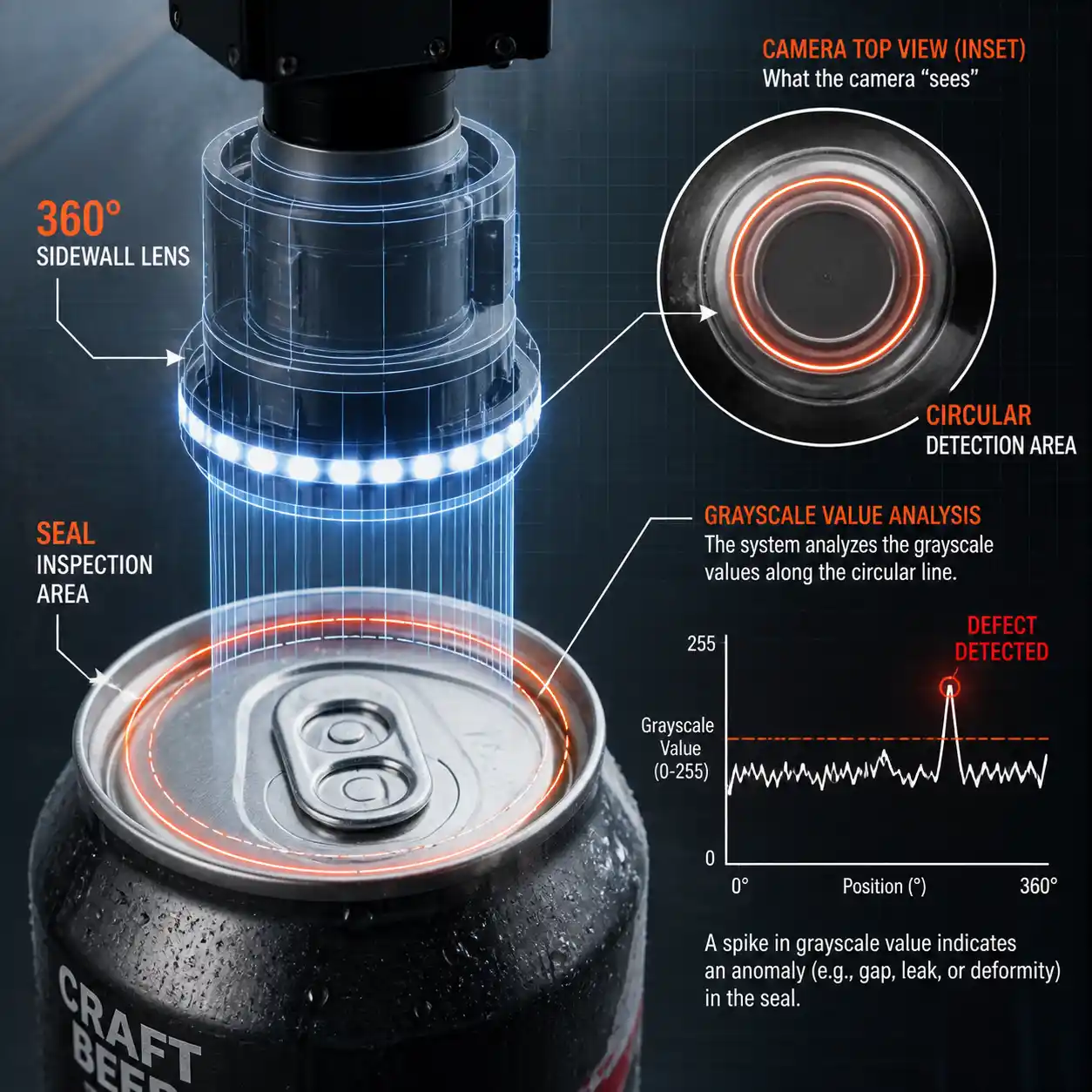
If the cap is poorly sealed, the image shows a noticeable grayscale value change within the circular detection area. The system compares this grayscale change with a preset threshold. When the value exceeds the threshold, the can is identified as defective and the rejection device removes it from the production line.
This vision-based approach allows the Craft Beer Can Leak Detection Machine to support continuous inspection while keeping the product untouched during the process.
Production Conditions to Confirm Before Installation
Before adding a Craft Beer Can Leak Detection Machine to a canning line, utilities and site conditions should be checked carefully. The production line must provide the correct electrical and compressed air connections.
| Item | Requirement |
|---|---|
| Power supply | 220V, 50Hz, single-phase |
| Total power consumption | Approximately 0.5 kW |
| Control voltage | 24 VDC |
| Compressed air supply | 4–12 bar |
The customer provides the power supply and air connection from the source to the unit. If a special voltage is required, it should be specified in advance because it may affect system design, delivery, and pricing.
Environmental and Conveyor Requirements
Stable inspection depends on stable installation conditions. The operating environment should stay within 5°C–40°C, with relative humidity between 50% and 65% RH. The altitude range is 5–3000 m above sea level, and the factory site should meet requirements for floor flatness and load-bearing capacity.
The conveyor should be a single-row chain conveyor with at least 1.8 meters of straight section. The inspection area should be free from vibration and water droplets, as both can interfere with camera inspection. The conveyor inclination should not exceed 20°, and cans should maintain 3–5 mm spacing. If vibration is present at the inspection point, a 60–80 mm clamping device can be installed to stabilize the containers.
System Composition
The Craft Beer Can Leak Detection Machine is built around coordinated mechanical and electrical modules. The distribution cabinet includes the image processing computer, interface processing computer, strobe controller, control system, LED light source, industrial camera, and sensors. The detection module dynamically captures images, while the rejection device receives signals and removes defective products.
Electrical components include an image processing industrial computer, customizable full-view camera, camera IO module, customizable all-around lens, camera cable, DSP MT-9000, touchscreen, light source controller, and light source.
FAQs
What does the Craft Beer Can Leak Detection Machine inspect?
It inspects sealing quality around the can cap area and identifies defective products based on image grayscale changes within the defined detection zone.
Does the inspection process touch or damage the can?
No. The system uses non-contact online inspection, so the product is not damaged during detection.
What production speed can it support?
The listed fastest inspection speed is up to 72,000 cans per hour.
What utilities are required for operation?
The system requires 220V, 50Hz, single-phase power, approximately 0.5 kW total power consumption, 24 VDC control voltage, and 4–12 bar compressed air.
What conveyor conditions are needed?
A single-row chain conveyor with at least 1.8 meters of straight section is required. The line should minimize vibration and water droplets, keep spacing at 3–5 mm, and maintain conveyor inclination below 20°.