Make PET Label Inspection Stable Before Bottles Ship
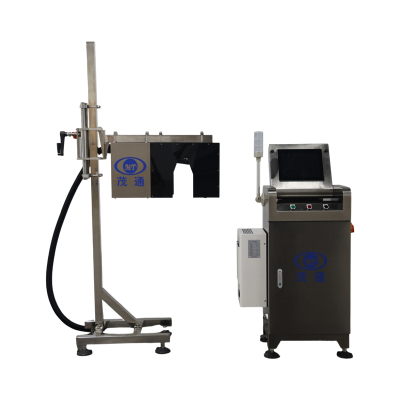
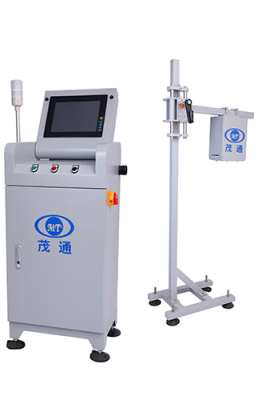
A PET Label Inspection Machine gives beverage and packaging lines a structured way to check whether PET bottle labels are present, properly positioned, and correctly oriented before products move further downstream. For buyers evaluating in-line quality control, the most important questions are not only inspection speed, but also installation position, operating environment, rejection reliability, and how clearly the system fits the existing labeling process.

What the PET Label Inspection Machine Checks
The PET Label Inspection Machine is designed for automated, non-contact online inspection of PET bottle labels. Its documented inspection scope includes label presence, label height verification, and incorrect label orientation. These are practical defects that can affect shelf appearance, downstream packaging consistency, and brand presentation.
The system uses machine vision technology, with multi-view stitching and color recognition applied to support label inspection reliability. For production teams, this means label issues can be identified online rather than relying only on manual spot checks.

Installation and Workflow on the Line
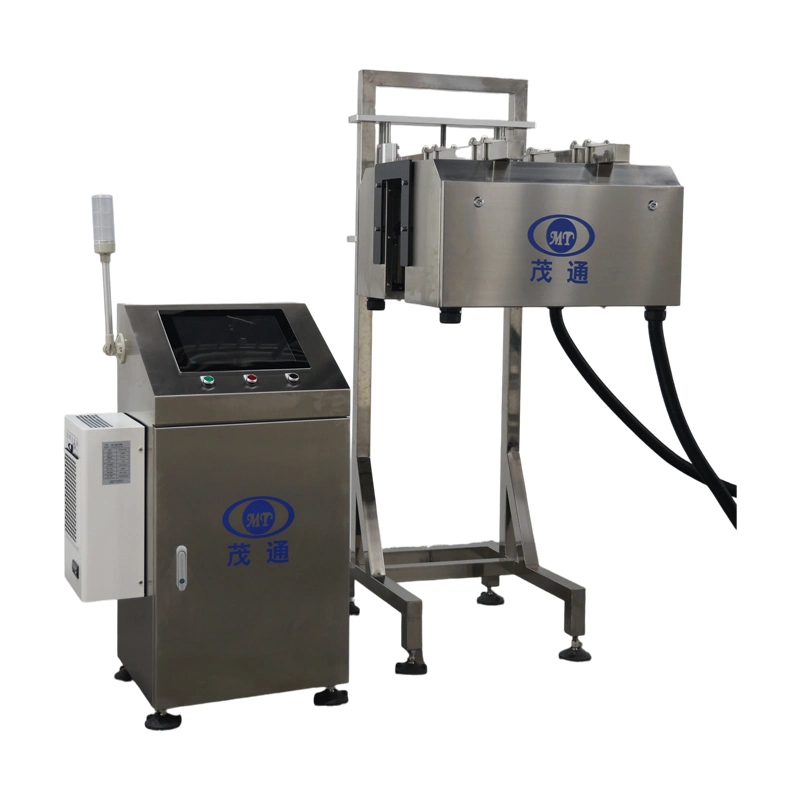
The equipment is installed on the single-row straight conveyor line behind the labeling machine. As each bottle passes the positioning sensor, the control unit records the bottle ID and encoder value. The sensor then triggers image capture, and the vision processor analyzes the label image before sending results to the HMI and control unit.
When a defect is detected, the control unit commands the rejector to remove the non-conforming bottle from the line. This workflow helps keep the PET Label Inspection Machine closely connected with the labeling process, where defects are most likely to appear and where fast feedback is useful for operators.
Key Specifications Buyers Should Confirm
| Item | Documented Requirement |
|---|---|
| Applicable container | PET bottles |
| Designed throughput | 60,000 bottles per hour |
| Maximum inspection speed | Up to 36,000 bottles per hour |
| Installation position | Straight conveyor behind the labeling machine |
| Noise level | ≤85 dB, depending on container, power, and site acoustics |
| Voltage | 220V, 50Hz, single-phase |
| Total power | Approximately 1.0 kW |
| Control voltage | 24VDC |
| Compressed air | 0.5 MPa, about 0.01 L per rejection cycle |
A PET Label Inspection Machine should be specified against real line conditions. Bottle format, label type, conveyor stability, and factory utilities all influence whether the system can perform consistently after installation.
Inspection Accuracy at a Glance
| Inspection item | Detection condition | Rejection rate | False rejection rate |
|---|---|---|---|
| No label | Label absent | 100% | ≤0.03% |
| High label | Deviation ≥2 mm | ≥99.9% | |
| Low label | Deviation ≥2 mm | ≥99.9% | |
| Connection label | Requires significant color difference | ≥99.9% |
The PET Label Inspection Machine also includes inspection for incorrect label orientation. For purchasing and commissioning teams, the table above provides a useful baseline for reviewing documented inspection items, defect thresholds, and rejection expectations.
Operating Environment Matters
Stable inspection begins with the right site conditions. The optimum altitude range is 5–3,000 meters above sea level. The optimal operating temperature is 5°C–40°C, while the recommended relative humidity is 50%–65% RH.
The workshop should comply with relevant national standards for floor flatness, load-bearing capacity, and other operating parameters. After delivery, all parts and equipment should be stored in facilities that meet applicable national standards. Proper storage and routine maintenance help protect parts from damage that could affect installation, commissioning, or long-term operation.
Practical Buying Checklist
Before choosing a PET Label Inspection Machine, confirm five points with the project team:
A well-prepared installation plan helps the PET Label Inspection Machine support repeatable in-line label inspection and reduces avoidable commissioning delays.
FAQs
What does a PET Label Inspection Machine inspect?
It inspects PET bottle labels for documented issues including no label, high label, low label, incorrect label orientation, and connection-label conditions requiring significant color difference.
Where is the machine installed?
It is installed on the single-row straight conveyor line behind the labeling machine.
What operating temperature is recommended?
The optimal operating temperature range is 5°C–40°C.
What humidity range should the workshop maintain?
The recommended operating humidity is 50%–65% RH.
What utilities should be prepared before installation?
The documented operating conditions include 220V, 50Hz single-phase power, approximately 1.0 kW total power, 24VDC control voltage, and 0.5 MPa compressed air.