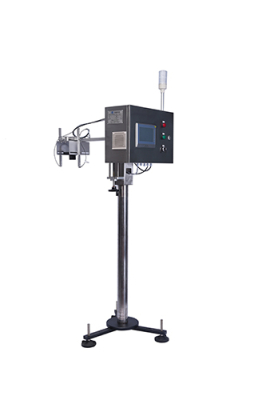
Read These Specs Before Choosing Liquid Level Inspection
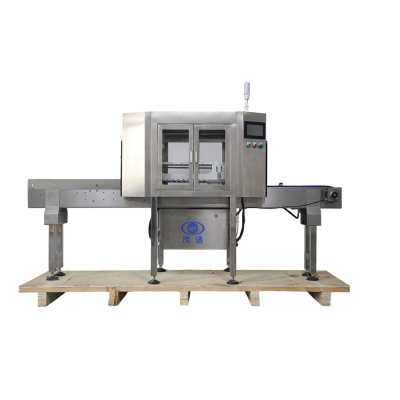
When comparing inline inspection equipment, the technical specification sheet is more than just a list of numbers; it truly defines whether a Liquid Level Inspection Machine can fit your conveyor, handle your specific container range, and reject non-conforming products without disrupting your production flow. The MT-HFX-06 Liquid Level Inspection Machine from Jinan Maotong Inspection is specifically engineered for real-time liquid level detection and online rejection across a wide array of common container materials, including aluminum, tinplate, PE, PET, PP, ceramics, and glass.
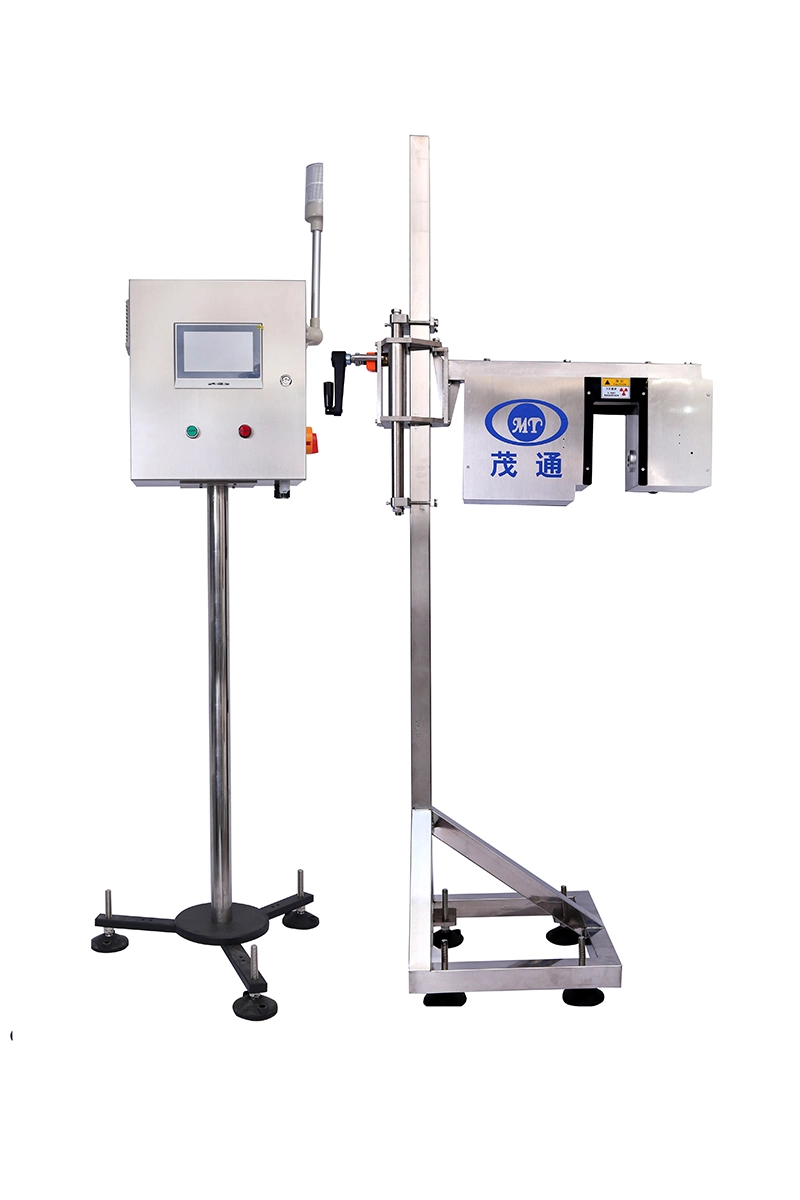
Project Overview: The MT-HFX-06 Liquid Level Inspection Machine
Our MT-HFX-06 Liquid Level Inspection Machine is a dedicated system for precise liquid level detection, designed to automatically identify and reject products that fall outside specified fill-level standards directly on the production line. This high-performance model boasts a maximum output capacity of up to 72,000 bottles or cans per hour, making it suitable for fast-paced industrial environments. It handles a diverse range of container types, including aluminum, tinplate, PE/PET/PP plastics, ceramics, and glass. The system is engineered to accommodate product volumes from 200 ml to 2000 ml, with container diameters ranging from 30 mm to 90 mm and heights from 50 mm to 200 mm.
Core Technical Specifications Buyers Should Check
Understanding the detailed specifications of a Liquid Level Inspection Machine is crucial for seamless integration into existing production lines. Our MT-HFX-06 model is designed with versatility and precision in mind. The listed applicable container diameter range is 20 mm to 120 mm, with the final configuration always depending on the specific material density and container size of your products.
| Item | Specification |
|---|---|
| Conveyor speed | ≤1.6 m/s |
| Container diameter range | 20 mm–120 mm, configuration based on density and size |
| Dynamic resolution | ±1.5 mm, may be influenced by foam or liquid turbulence |
| Static resolution | ±1.0 mm |
| Rejection accuracy | ≥99.99% at 400 containers/min |
| Operating temperature | 0°C–40°C |
| Relative humidity | ≤95% at 40°C |
| Power supply | 220V ±20V, 50Hz |
These numbers are critical because a Liquid Level Inspection Machine must be perfectly matched to both the line speed and the physical behavior of the product. Factors like foam, shaking, or turbulence can influence dynamic inspection accuracy. Therefore, commissioning should consider actual filling conditions rather than relying solely on static samples to ensure optimal performance.
Key Features of the MT-HFX-06 Liquid Level Inspection Machine
Our Liquid Level Inspection Machine integrates advanced technology to deliver reliable and efficient quality control:
How the Inspection Principle Supports Inline Rejection
The MT-HFX-06 Liquid Level Inspection Machine operates on the principle of X-ray penetration technology. Containers with different liquid levels produce distinct projection patterns at the receiving sensor. These patterns are then translated into varying signal values. The system compares these signals against user-defined standards, automatically flagging and rejecting any products that fall outside the accepted range. This non-contact approach allows the Liquid Level Inspection Machine to inspect products online efficiently and without causing any damage to the containers.
Encoder-based counting is a critical feature that helps maintain rejection accuracy, even when the production line experiences stops or changes in speed. Furthermore, the equipment includes integrated visual and audible alarms, automatic rejection of defective containers, and an automatic X-ray shutoff feature when the machine is idle. For high-speed packaging environments, these specifics are vital because accurate detection is only truly useful when the correct container is removed at precisely the right moment.
Installation and Environmental Conditions for Optimal Performance
Proper installation and environmental compliance are paramount for the optimal functioning of a Liquid Level Inspection Machine. Our MT-HFX-06 is typically installed downstream of the filling machine, either before or after the inkjet printer. Installation requires the production line to provide a straight, single-row conveyor section of at least 2 meters in length.
A guardrail opening of ≤15 cm should be prepared within this straight conveyor section to serve as the reject outlet, and we recommend installing a rigid collection box for rejected containers at this point. The system itself comprises an inspection unit, a rejection unit, a power distribution cabinet, an HMI (Human-Machine Interface), electronic systems, and mechanical structures. Its robust stainless steel housing and sealed design ensure reliable operation in environments where fog, condensation, or water droplets may be present, all within the stated operating limits.
Environmental Requirements
Production Requirements
Practical Selection Guidance: Ensuring a Perfect Fit
To effectively evaluate a Liquid Level Inspection Machine, buyers should start by asking three key questions: Is your conveyor speed within the ≤1.6 m/s limit? Are your container dimensions and material suitable for the selected configuration? And can your facility provide the required power, compressed air connection, sufficient straight conveyor space, and a designated reject collection area?
For production teams handling cans, PET bottles, PE bottles, glass, ceramics, or similar containers, inline liquid level detection can make identifying fill-level deviations significantly easier before products move downstream. The MT-HFX-06 Liquid Level Inspection Machine offers high-end configurations capable of processing up to 72,000 bottles or cans per hour, while maintaining a rejection accuracy of ≥99.99% at 400 containers per minute, ensuring both speed and precision in your quality control processes.
FAQs
What is the main purpose of the Liquid Level Inspection Machine?
It detects product liquid levels in real time and automatically rejects containers that do not meet the set standard, ensuring consistent product quality.
Which container materials are supported?
The stated applicable materials include aluminum, tinplate, PE, PET, PP, ceramics, and glass, making it a versatile solution for various packaging lines.
Where is the machine usually installed?
It is typically placed after the filling machine, either before or after the inkjet printer, to seamlessly integrate into existing production lines.
What can affect dynamic resolution?
Factors such as foam, shaking, or liquid turbulence within the containers may influence the stated dynamic resolution of ±1.5 mm, requiring careful calibration during commissioning.
What site conditions should be prepared before installation?
A straight single-row conveyor section of at least 2 meters, a suitable power supply, a compressed air connection, sufficient space for the reject outlet, and a rigid collection box for rejected products are all recommended preparations.