Liquid Level Inspection Machine Makes Rejection More Predictable
For beverage and liquid packaging lines, precise fill level is not a minor detail; it's a cornerstone of product quality and brand trust. An underfilled container can easily trigger customer complaints, while overfilling wastes valuable product and may lead to complications in downstream processes like capping or sealing. Our Liquid Level Inspection Machine from Jinan Maotong Inspection is engineered for real-time, in-line inspection and automatic rejection of non-conforming containers. This ensures that production teams maintain rigorous fill control, even as the line runs at peak efficiency.
Why Inline Fill Level Control Matters
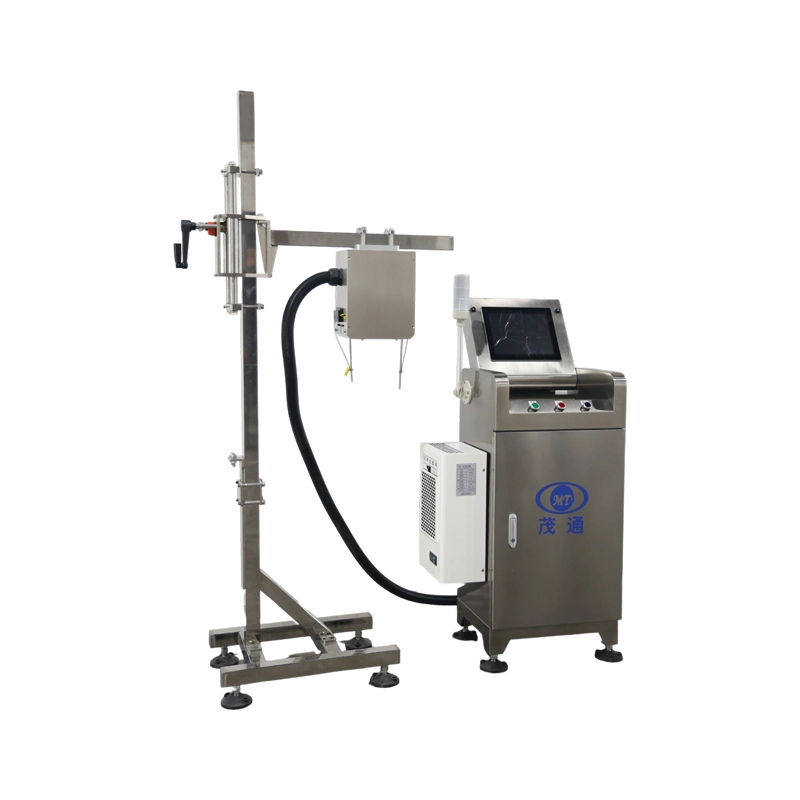
A Liquid Level Inspection Machine proves its worth by operating seamlessly without impeding the production flow. Our MT-HFX-06 liquid level inspection system provides real-time detection and online rejection of containers that fall outside predetermined liquid level standards. In its high-performance configuration, this system can achieve a maximum throughput of up to 72,000 bottles or cans per hour. This makes it an ideal solution for high-speed filling environments where manual checks simply cannot keep pace with demand or maintain consistent accuracy.
Studies show that cost losses due to substandard liquid levels can account for 2-5% of total production costs. By leveraging high-precision automated methods, our liquid level detection technology can improve fill control accuracy to within ±0.5mm, making it a critical component in ensuring overall filling quality and maximizing profitability.
Our system is compatible with a wide array of common packaging materials, including aluminum, tinplate, PE, PET, PP, ceramics, and glass. The supported product range covers volumes from 200–2000 ml, with container diameters between 30–90 mm and heights from 50–200 mm. For facilities managing diverse container formats, this broad applicability offers engineers a practical starting point when assessing how our Liquid Level Inspection Machine integrates into their existing lines.
How Our Detection Principle Works
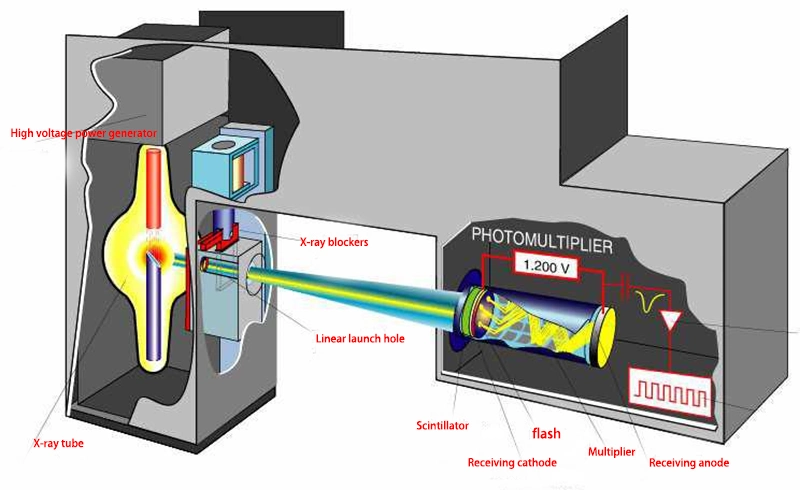
Our equipment employs advanced X-ray penetration technology. The working principle is straightforward yet highly effective: containers with varying liquid levels create distinct projection patterns at the X-ray receiving end. The system then converts these unique signals into precise numerical values, which are compared against user-defined parameters. Containers that do not meet the required fill level are accurately identified and flagged for rejection.
We manage both low and high-level conditions: low liquid level detection is a standard function, while high liquid level detection is available as an auxiliary function. Our non-contact inspection ensures that containers are checked without any risk of product damage during in-line operation, preserving the integrity of every item.
Features You Should Evaluate
Our Liquid Level Inspection Machine dynamically adapts to varying production line speeds, ensuring continuous inspection. This feature is crucial because real-world filling lines rarely operate at a perfectly constant pace. Line stops, restarts, and speed changes could potentially affect rejection timing if the tracking mechanism is not robust.
To ensure consistent accuracy, our system incorporates an encoder-based counting method. Counting is performed via an encoder installed on the synchronous motor of the conveyor chain where defective containers are located. This design helps maintain rejection accuracy, even during production line stoppages or speed fluctuations, preventing false rejections or missed defects.
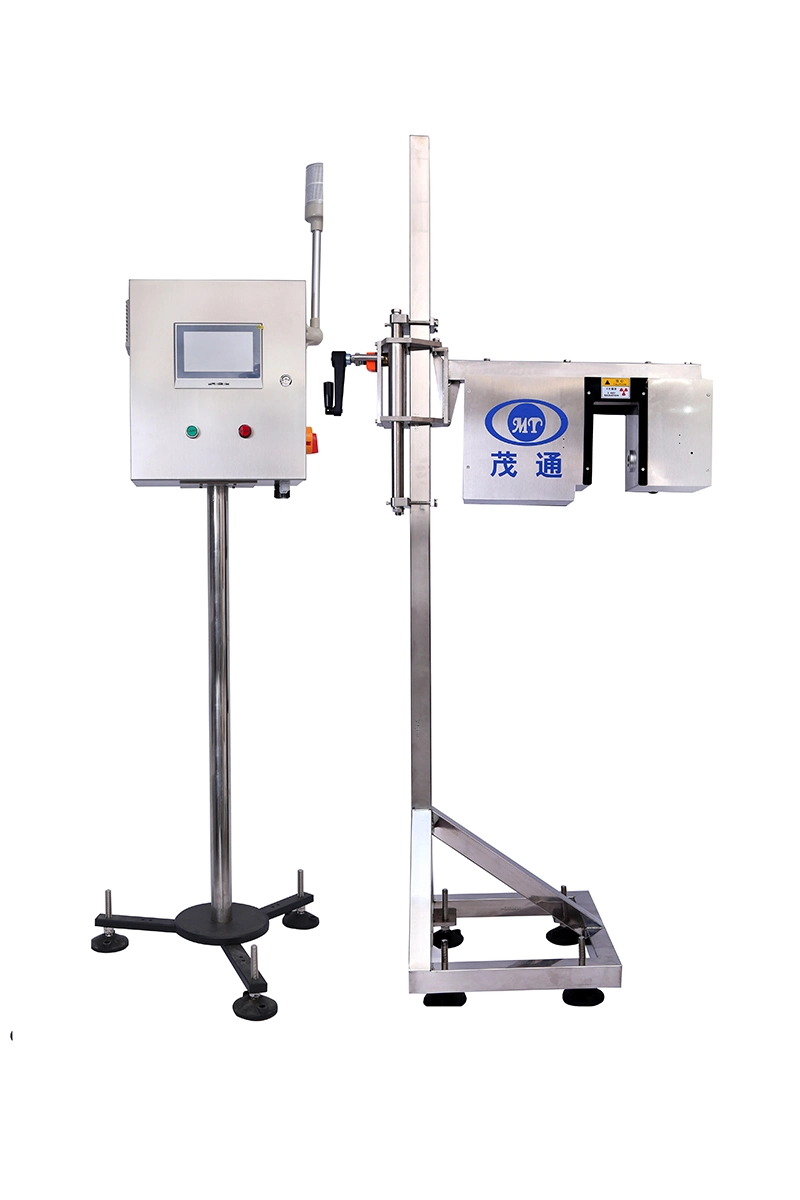
Additional practical design elements include independent inspection and control cabinets, which effectively minimize electromagnetic interference between electronic components, thus contributing to more stable performance. The durable stainless steel housing and sealed structure provide robust resistance to fog and water droplets, making our equipment highly suitable for demanding and humid production environments. For enhanced operational safety and energy efficiency, X-ray emission is automatically blocked or shut off when the machine is idle. Furthermore, the combination of hardware circuit design with an embedded operating system guarantees long-term stable and reliable operation.
Key Technical Specifications
Our MT-HFX-06 model is built to meet stringent industry demands, offering reliable performance under various operational conditions. Here are its core technical specifications:
| Item | Specification |
|---|---|
| Equipment model | MT-HFX-06 |
| Conveyor speed | ≤1.6 m/s |
| Container diameter | 20–120 mm, adaptable based on material density and size |
| Dynamic resolution | ±1.5 mm (may be affected by foam or shaking) |
| Static resolution | ±1 mm |
| Rejection accuracy | ≥99.99% at an inspection speed of 400 containers/minute |
| Operating temperature | 0°C–40°C |
| Relative humidity | ≤95% at 40°C (non-condensing) |
| Power supply | 220V ±20V, 50Hz (single-phase) |
| Total power consumption | Approx. 1.0 kW |
| Control voltage | 24 VDC |
| Compressed Air | 4–12 Pa |
Installation Points Before Purchase
The Liquid Level Inspection Machine is typically installed downstream of the filling machine, positioned either before or after the inkjet printer. The production line needs a single-row conveyor chain with at least 2 meters of straight section available at the installation point. A guardrail opening of ≤15 cm must be prepared on the straight conveyor section to accommodate the reject outlet, ensuring smooth product flow after inspection.
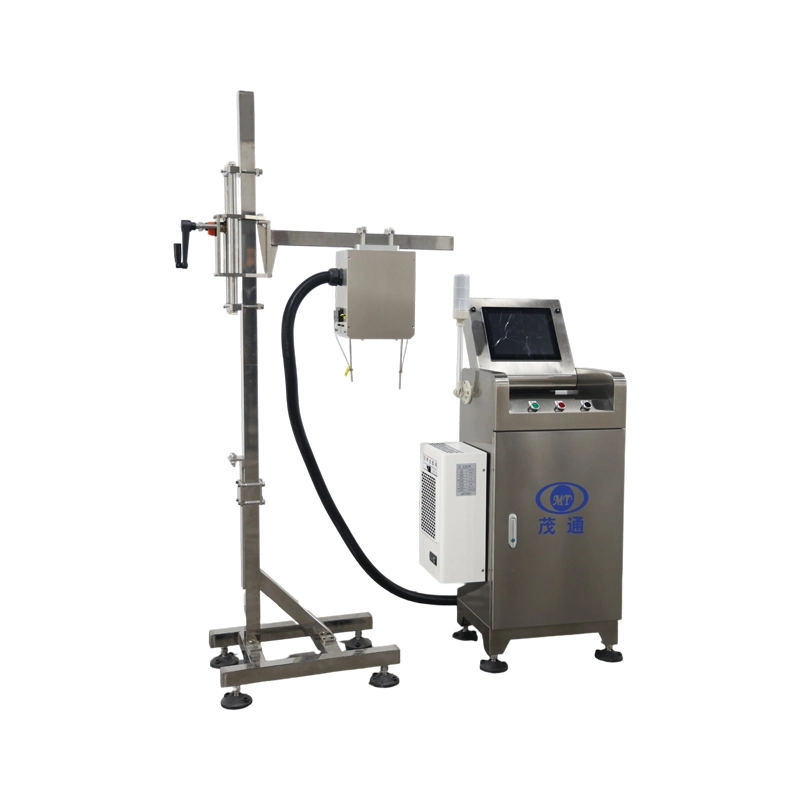
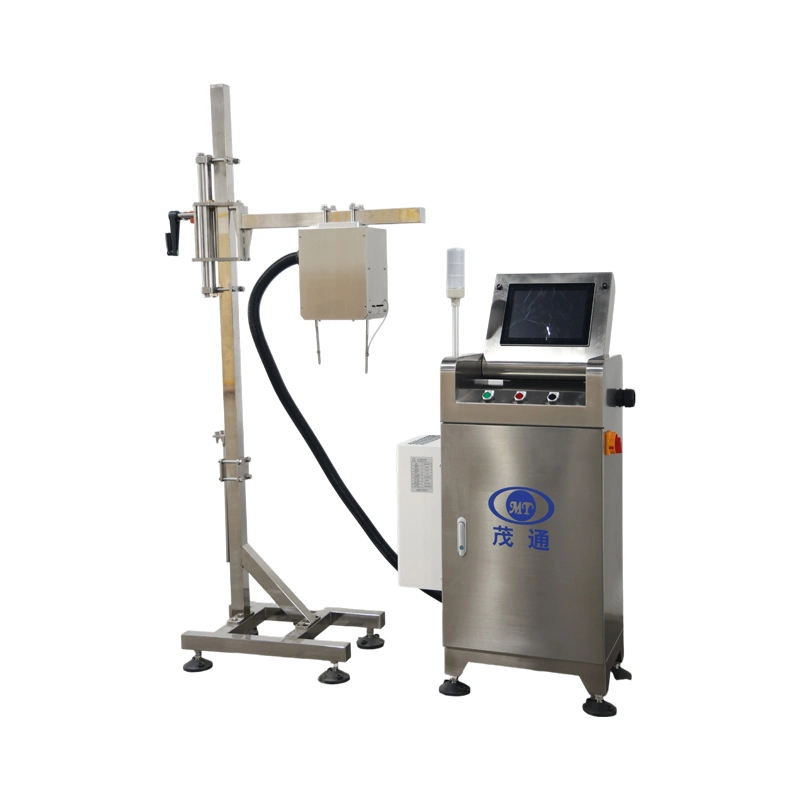
Our system primarily consists of an inspection unit, a rejection unit, a power distribution cabinet, a Human-Machine Interface (HMI), various electronic assemblies, and robust mechanical parts. We recommend that the purchaser prepares a rigid collection box at the rejection point to efficiently receive defective containers. Installation can typically be completed within 24 hours, provided that the site conditions meet the specified layout and utility requirements.
FAQs
What does a Liquid Level Inspection Machine check?
It checks whether the liquid level in each container meets pre-defined standards set by the user. If a container's fill level falls outside these parameters, the machine automatically rejects it from the production line.
Does the inspection touch the container?
No, our system is engineered for non-contact, in-line inspection. This means containers are checked without any physical contact, ensuring no damage to the product or packaging during the inspection process.
What container materials are supported?
Our system supports a wide range of common packaging materials, including aluminum, tinplate, PE, PET, PP, ceramics, glass, and other similar types, offering versatility for diverse production needs.
Where is the machine usually installed?
It is typically positioned after the filling machine. Depending on your specific line layout and other equipment, it can be placed either before or after the inkjet printer.
Why is encoder-based counting important?
Encoder-based counting is vital for maintaining rejection precision. It ensures that the system accurately tracks and rejects defective containers even when the production line experiences stops, restarts, or changes in speed, preventing errors that could occur with less sophisticated tracking methods.