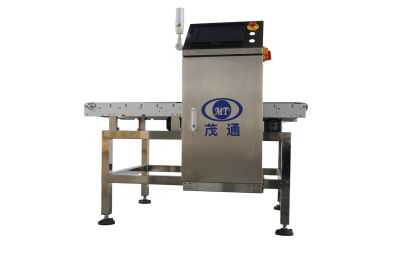
Specify Your Beer Level Detection Machine Before Installation
A beer level detection machine is most effective when it is specified as part of the filling line, not treated as a last-minute add-on. For buyers planning beverage inspection equipment, the practical questions are straightforward: power supply, control voltage, compressed air, conveyor stability, installation space, and the way rejected products are handled. Getting these details right before purchase helps reduce commissioning delays and keeps quality checks consistent once the line is running.

Why Fill Level Control Matters on Beer Lines
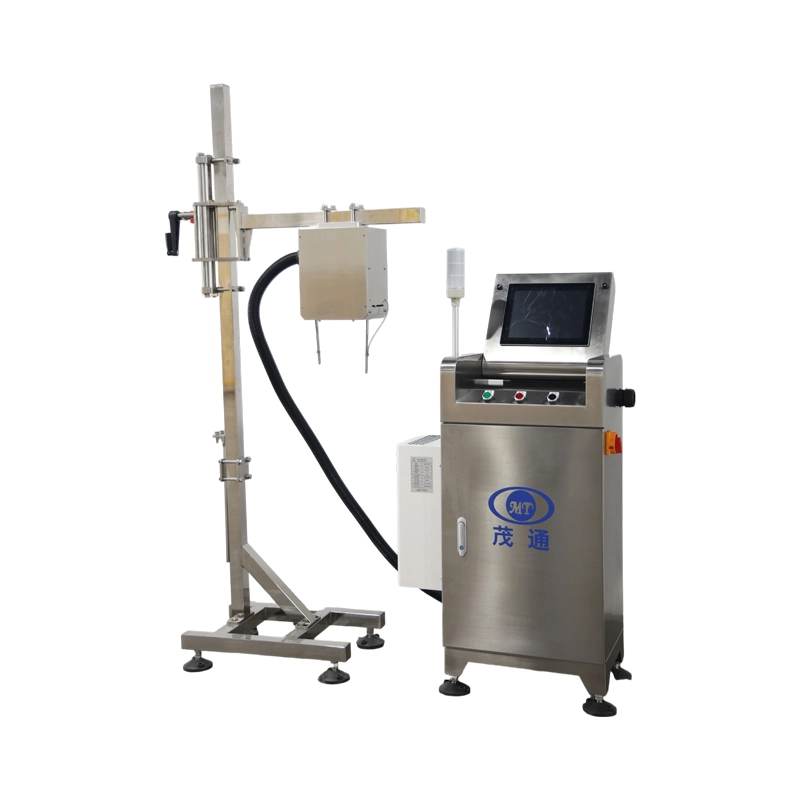
In beer filling, inconsistent liquid height can create visible quality variation and may lead to avoidable waste during downstream handling. A Beer Level Detection Machine is used to support inline checking of beer containers against defined fill-level standards. Rather than relying only on manual sampling, an inline station gives production teams a more systematic way to monitor filling results during routine operation.
A beer level detection machine should be evaluated together with the filling machine, conveyor, reject area, and production environment. If the containers are unstable, too close together, or exposed to vibration and water droplets at the inspection point, even a well-selected inspection station may become harder to tune. For this reason, installation conditions deserve the same attention as the detection unit itself.
Utility Requirements Buyers Should Confirm Early
The standard electrical and pneumatic requirements for a beer level detection machine should be confirmed before layout approval. Typical planning data includes:
| Item | Requirement |
|---|---|
| Power supply | 220V, 50Hz, single-phase, provided by the customer |
| Non-standard voltage | Advance notice required; equipment specification, delivery time, and pricing may vary |
| Total power consumption | Approximately 1.0 kW |
| Control voltage | 24 VDC |
| Compressed air | 4–12 bar, with air line connection from the main source to the equipment provided by the customer |
These figures matter for both engineering and purchasing teams. A beer level detection machine needs stable power for control and inspection functions, while compressed air is commonly required for the reject mechanism. If the plant uses a non-standard voltage, that detail should be communicated before procurement rather than during installation.
Conveyor Conditions That Support Stable Detection
A beer level detection machine works best when containers pass through the inspection area in a predictable position. The conveyor section should be straight, stable, and clean. A single-lane chain conveyor is commonly preferred for this type of inline inspection layout, and the inspection section should provide enough distance for positioning, image capture, decision-making, and rejection.

Practical installation checks include:
•Keep the inspection section straight and mechanically stable.
•Avoid excessive vibration around the container body or neck area.
•Maintain consistent container spacing before the detection point.
•Keep the area free from water droplets and contamination that may interfere with inspection.
•Control conveyor slope; steep or unstable conveying can affect repeatability.
These details are often easy to overlook, but they directly influence how smoothly a beer level detection machine can be commissioned. Stable conveying reduces false handling problems and makes it easier for operators to maintain consistent settings over time.
How It Fits With Other Inspection Points
A single inspection point rarely covers every risk in a beverage line. A beer level detection machine is often planned alongside upstream and downstream inspection equipment so that defects can be found at the right stage. For example, an Empty Can Inspection Machine may be positioned before filling to help identify container issues before product is added.
Other inspection stages may focus on sealing, pressure, cap condition, liquid level, code quality, or carton completeness, depending on the package format and line design. The key is to place each machine where it can prevent the largest amount of rework. In that context, a beer level detection machine becomes part of a broader quality-control chain rather than an isolated device.
Operating Tips for Long-Term Reliability
After installation, stable daily operation depends on basic maintenance discipline. Operators should check power stability, air pressure, cable connections, and grounding before production starts. If compressed air falls outside the required range, rejection may become inconsistent. If cables are loose or grounding is poor, control reliability may be affected.
The inspection area should also be kept clean. Water, foam residue, and vibration can make any inline inspection station more difficult to maintain. A beer level detection machine should be reviewed whenever production speed, container format, conveyor spacing, or filling conditions change. Small layout changes can influence inspection consistency, so adjustment should be handled as part of normal line management.
Procurement Checklist
Before ordering a beer level detection machine, buyers should confirm the following points with the supplier and internal engineering team:
1.Container type and production-line position.
2.Required power supply and whether the plant uses standard voltage.
3.Compressed-air pressure and connection responsibility.
4.Conveyor length, slope, stability, and spacing.
5.Reject position and defective-product collection method.
6.Installation environment, including humidity, water exposure, and vibration.
7.Compatibility with other inspection equipment in the same line.
This checklist helps avoid mismatched expectations between purchasing, production, and maintenance teams. A beer level detection machine is not only a detection device; it is also a line-integration project that needs clear site preparation.
FAQs
What is the main purpose of a beer level detection machine?
A beer level detection machine is used to check whether beer containers meet the required fill-level standard during inline production.
What power supply should be prepared?
The required supply is 220V, 50Hz, single-phase. If a non-standard voltage is needed, it should be confirmed in advance because specifications, delivery time, and pricing may vary.
Does the machine require compressed air?
Yes. The compressed-air requirement is 4–12 bar, and the customer provides the air line connection from the main air source to the equipment.
Why is conveyor stability important?
Stable conveying helps containers pass the inspection point consistently, which supports repeatable detection and smoother rejection of nonconforming products.
Can it be combined with other inspection machines?
Yes. A beer level detection machine can be planned with empty can inspection, sealing inspection, and other quality-control stations to support broader line management.