Fit a Liquid Level Inspection Machine Before Speed Becomes Risk
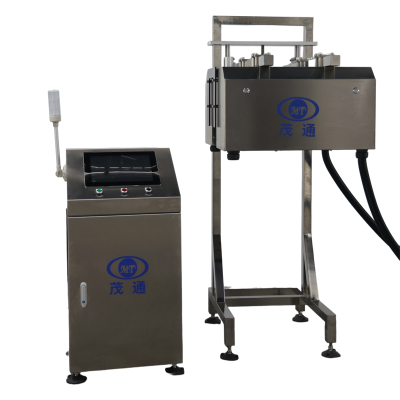
For fast beverage, beer, can, and bottle lines, fill errors, without a reliable Liquid Level Inspection Machine, often lead to significant issues. A low fill can create customer complaints, while an overfill can silently erode profits. A Liquid Level Inspection Machine provides production teams with an essential inline checkpoint: it detects product liquid levels in real time and rejects nonconforming containers before they move further downstream.
Why Line Position Matters
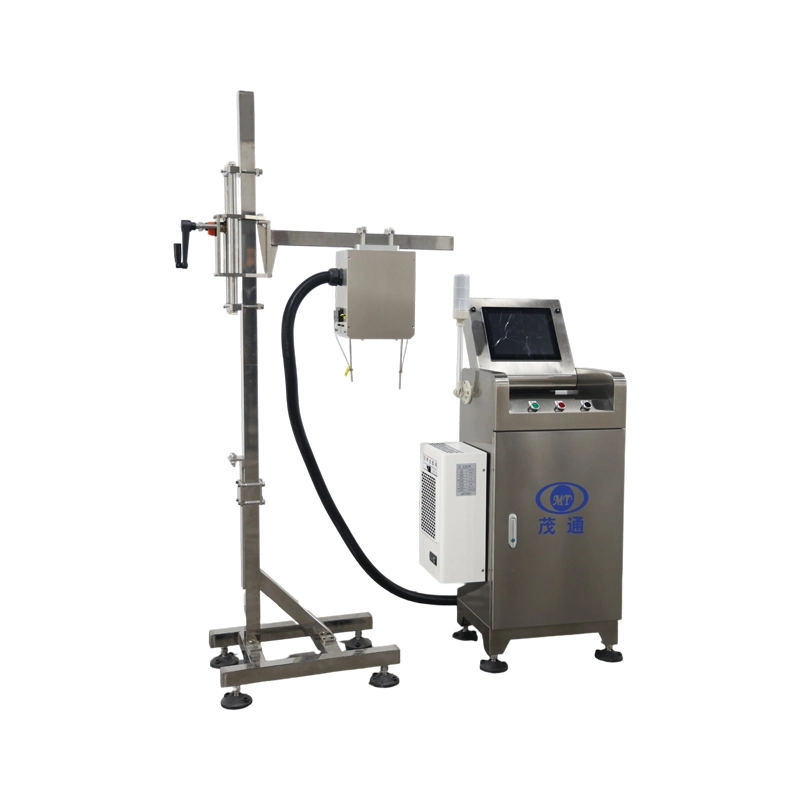
A Liquid Level Inspection Machine is typically installed after the filling machine and can be positioned either before or after the inkjet printer. This placement allows the system to inspect filled containers during continuous production and remove unqualified bottles or cans online. For manufacturers seeking consistent quality, the Liquid Level Inspection Machine is an indispensable tool. For buyers planning a new line or upgrading an existing one, the crucial consideration isn't just “what can the machine inspect?” but also “can the line physically support stable inspection?”
The MT-HFX-06 Liquid Level Inspection Machine system is designed for real-time liquid level detection and precise rejection of nonconforming containers. In its high-performance configuration, it supports up to 72,000 bottles or cans per hour, making it suitable for high-speed production environments where manual checking is not realistic.
Container Range and Product Fit
A Liquid Level Inspection Machine should be selected to align with the actual packaging mix on the production floor. The MT-HFX-06 supports common container materials, including aluminum, tinplate, PE, PET, PP, ceramics, and glass. Its applicable product range covers 200–2000 ml, with container diameters of 30–90 mm and heights of 50–200 mm.
| Item | Supported Range |
|---|---|
| Equipment model | MT-HFX-06 |
| Maximum capacity | Up to 72,000 bottles/cans per hour |
| Product volume | 200–2000 ml |
| Container diameter | 30–90 mm |
| Container height | 50–200 mm |
| Materials | Aluminum, tinplate, PE, PET, PP, ceramics, glass |
For buyers handling beer, soft drinks, packaged liquids, or similar filled containers, this specification range helps confirm whether a single Liquid Level Inspection Machine can match the planned format set without requiring unnecessary line changes. The Liquid Level Inspection Machine plays a critical role in maintaining product integrity and reducing waste.
Utilities That Should Be Confirmed Early
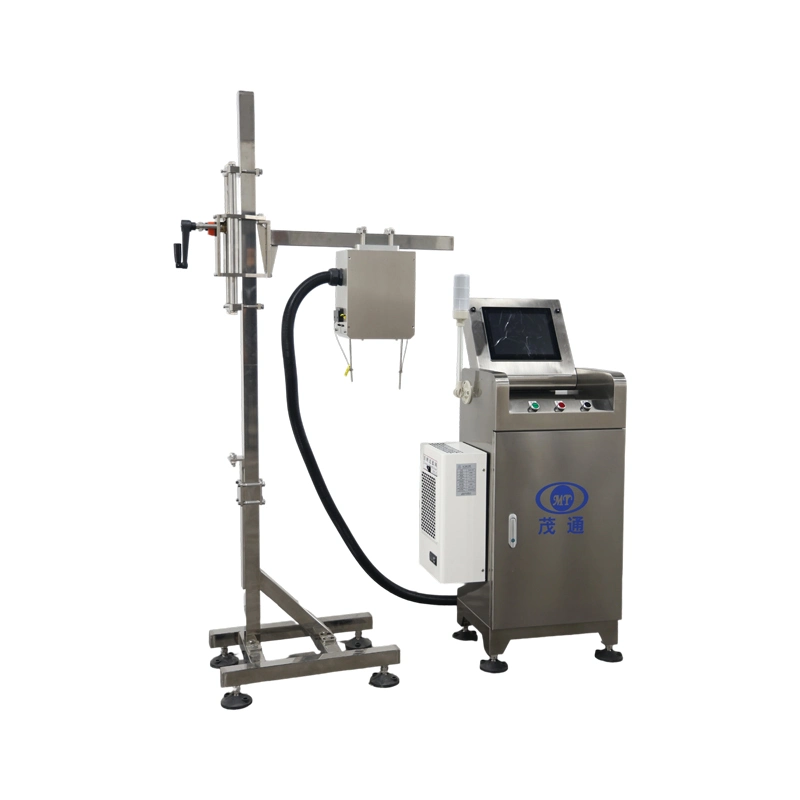
Many inspection problems begin before startup because utilities are often overlooked until the last minute. The Liquid Level Inspection Machine requires a 220V, 50Hz, single-phase power supply, which the customer must provide. If a special voltage is required, it requires prior confirmation as specifications, lead time, and pricing may vary accordingly.
The system uses approximately 1.0 kW total power, with 24 VDC control voltage. Compressed air should be supplied at 4 Pa–12 Pa, and the air pipeline from the source to the equipment is provided by the customer. These requirements are best verified during initial layout planning, not deferred until final commissioning, to ensure the Liquid Level Inspection Machine operates optimally.
Operating Environment and Installation Checks
The operating environment also significantly impacts inspection stability. The Liquid Level Inspection Machine is suitable for altitudes from 5 to 3000 meters above sea level, ambient temperatures of 5°C–40°C, and a relative humidity of 50%–65% RH. Floor flatness, load-bearing capacity, and other site conditions should meet relevant national standards for proper operation.
For installation, the production line should include a single-row conveyor chain with at least 2 meters of straight length at the installation point. A guardrail gap of ≤15 cm should be opened in the straight section to provide an outlet for the rejector. A rigid collection box is also recommended at the defective product discharge position.
How Detection and Rejection Work
The Liquid Level Inspection Machine utilizes the penetration principle of X-rays. Different liquid levels form distinct projections at the receiving end, generating numerical signals that are compared with user-set standard parameters. When a container is deemed unqualified, the detection system automatically rejects it from the line.
The system features a soft ray design with no radioisotope source. It also automatically adapts to varying production line speeds for dynamic inspection. For buyers comparing inline options, this combination of online inspection, automatic rejection, and defined installation conditions highlights the comprehensive value a Liquid Level Inspection Machine offers, going beyond just speed.
Pre-Startup Buyer Checklist
Before approving a Liquid Level Inspection Machine installation, procurement and engineering teams should confirm:
FAQs
What is the main purpose of a Liquid Level Inspection Machine?
It detects product liquid levels online and automatically rejects containers that do not meet the set liquid level requirements.
Where should the machine be installed?
It is installed after the filling machine and may be positioned before or after the inkjet printer, depending on the line layout.
What container materials are supported?
The MT-HFX-06 supports aluminum, tinplate, PE, PET, PP, ceramics, glass, and other common packaging materials listed for the system.
What power supply is required?
The standard requirement is 220V, 50Hz, single-phase power, supplied by the customer. Special voltages should be confirmed in advance.
What is the maximum capacity?
In high-performance configuration, the system supports up to 72,000 bottles or cans per hour.