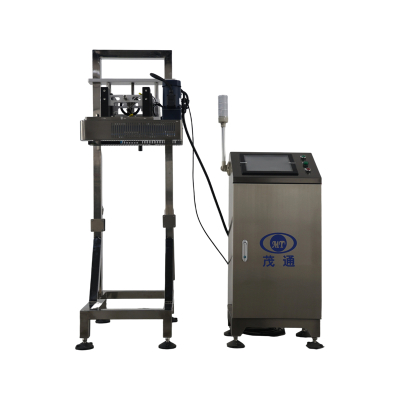
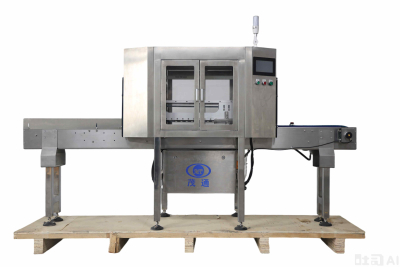
Your Liquid Level Inspection Machine Needs a Stable Site
For beverage, food, and liquid packaging lines, a Liquid Level Inspection Machine is more than just an addition after filling. Its precision hinges on the container, conveyor layout, utilities, and surrounding factory conditions. Before installation, it's crucial to confirm if the chosen Liquid Level Detection system matches the production line’s speed, container format, and operating environment.
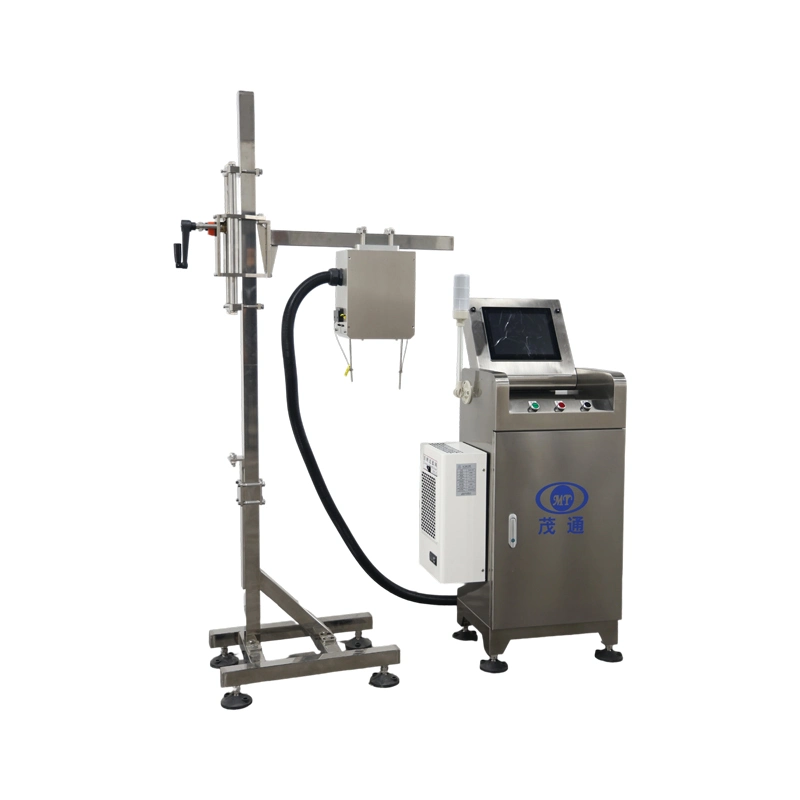
What the Liquid Level Inspection Machine Checks
The Liquid Level Inspection Machine is built to meticulously detect liquid levels on the production line, automatically rejecting any containers that don't meet standards. The MT-HFX-06 configuration works well with common packaging materials, including aluminum, tinplate, PE, PET, PP, ceramics, glass, and various other container types. The machine handles a product volume range of 200–2000 ml, with a diameter range of 30–90 mm and height range of 50–200 mm.
For high-performance setups, the system can process up to 72,000 bottles or cans per hour. It supports high liquid level detection as an auxiliary function and low liquid level detection as a standard function. On lines where consistent fill levels are critical for downstream coding, packing, or even shipment quality, this machine serves as an indispensable quality-control checkpoint.
Operating Environment Buyers Should Confirm
A steady installation environment ensures the Liquid Level Inspection Machine performs consistently throughout extended production cycles. The specified environmental requirements include an altitude range of 5–3000 meters above sea level, an ambient temperature range of 5°C–40°C, and relative humidity of 50%–65% RH.
Proper factory preparation is also key. Floor flatness, load-bearing capacity, and other site parameters must meet national standards to ensure stable operation. After delivery, equipment and components should be stored in facilities meeting relevant national standards. Regular lubrication and maintenance during storage prevent damage or deformation that might impact installation, commissioning, or ongoing performance.
Power Air and Conveyor Layout
Setting up the Liquid Level Inspection Machine requires a 220V, 50Hz, single-phase power supply, typically provided by the customer. Total power consumption is approximately 1.0 kW, with a 24VDC control voltage. Compressed air requirements are listed as 4–12 Pa, with the connection pipeline from the main air source to the equipment supplied by the customer.
Installation usually happens after the filling machine, either before or after the inkjet printer. The equipment needs a minimum of 2 meters of straight conveyor space on a single-row line. A guardrail gap of ≤15 cm should be prepared on the straight conveyor section for defective container ejection, and the purchaser should prepare a rigid collection container at the reject point.
How the Inspection Principle Works
The Liquid Level Inspection Machine uses X-ray penetration technology. Containers with different fill levels create distinct projection patterns at the receiving end. These patterns are converted into values and compared with user-defined standards. When a product is judged non-conforming, the system automatically rejects it from the production line.
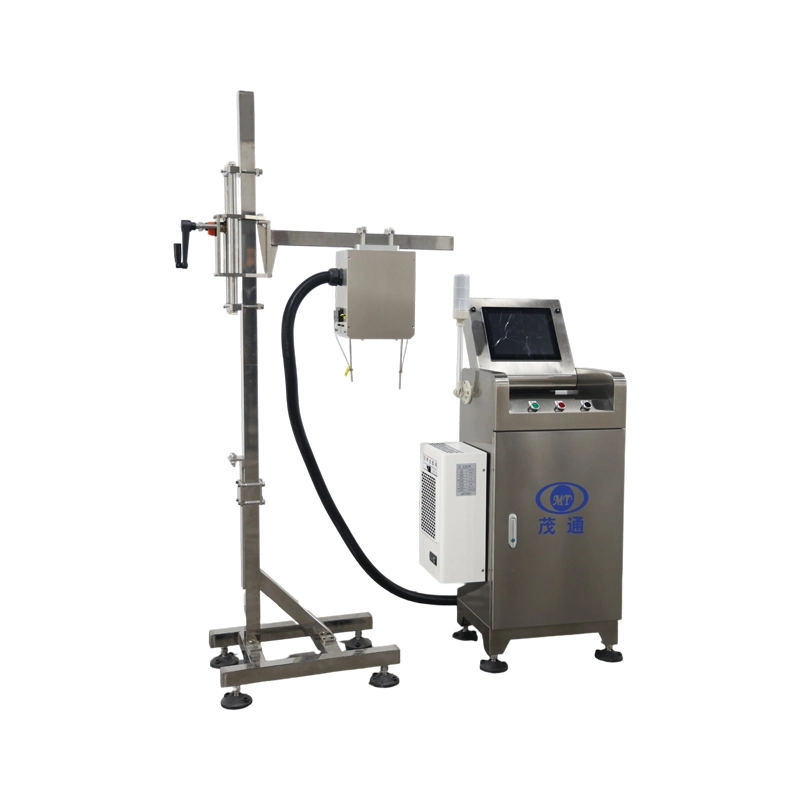
The equipment is designed for non-contact online detection, allowing inspection without damaging containers. Encoder tracking ensures rejection accuracy, even if the line stops or speeds fluctuate. It automatically adapts to varying production line speeds for dynamic inspection, and separate inspection and control cabinets minimize electromagnetic interference between electronic components.
Key Specifications at a Glance
| Item | Specification |
|---|---|
| Equipment model | MT-HFX-06 |
| Maximum throughput | Up to 72,000 bottles/cans per hour |
| Product volume range | 200–2000 ml |
| Conveyor belt speed | ≤1.6 m/s |
| Supported container diameter | 20–120 mm depending on density and material |
| Dynamic resolution | ±1.5 mm, affected by foam or movement |
| Static resolution | ±1 mm |
| Rejection accuracy | ≥99.99% at inspection speeds up to 400 containers/minute |
Its stainless steel housing and sealed mainframe design enable adaptability to condensation, fog, and water droplets. Additionally, automatic X-ray shutdown during idle periods conserves energy and boosts operational safety. Integrated sound and light alarms accompany the automatic rejection of unqualified products.
Pre-Installation Checklist
Before acquiring or setting up a Liquid Level Inspection Machine, consider these five practical aspects: container material and size, anticipated line speed, available straight conveyor length, space for the reject outlet, and existing site utilities. Such checks prevent unnecessary layout modifications and ensure the inspection station integrates seamlessly into your production workflow.
For comprehensive quality control, certain packaging lines might also consider systems that combine cap, liquid level, and inkjet inspection. These vision-based systems can detect cap defects, liquid levels, and inkjet printing using camera capture, image processing, HMI displays, PLC logic, and automated rejection mechanisms. Here, machine vision effectively complements level-focused inspection, tailored to specific package and quality demands.
FAQs
What containers can the Liquid Level Inspection Machine support?
It is suitable for common packaging materials including aluminum, tinplate, PE, PET, PP, ceramics, glass, and other container types, within the stated product size range.
Where should the machine be installed?
The typical position is after the filling machine, either before or after the inkjet printer, on a single-row conveyor with at least 2 meters of straight space.
What environmental conditions are recommended?
The required site conditions include 5–3000 meters altitude, 5°C–40°C ambient temperature, and 50%–65% RH relative humidity.
Does it reject defective containers automatically?
Yes. When the inspection system identifies a non-conforming liquid level, it sends the rejection signal and removes the corresponding container online.
Why is storage important before installation?
Proper storage, lubrication, and maintenance help prevent surface damage or deformation that may affect installation, commissioning, and long-term operation.