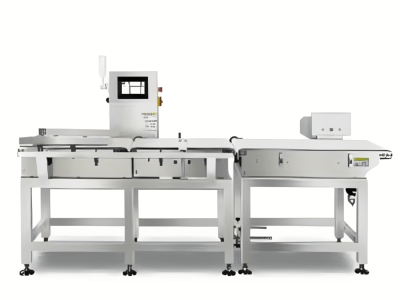
Install Your Liquid Level Inspection Machine Without Line Surprises
Achieving optimal performance with a Liquid Level Inspection Machine requires a cohesive plan that integrates inspection logic, conveyor layout, reject outlet design, and overall plant conditions. For beverage, can, bottle, and liquid packaging lines, the primary goal remains clear: to inspect liquid levels in real-time, precisely identify containers outside specified parameters, and efficiently remove them before they progress further down the line.
Why Line Layout Matters Before Commissioning
The Liquid Level Inspection Machine is engineered for real-time inspection and online rejection of non-conforming containers. Typically, it is installed after the filling machine, either preceding or following the inkjet printer. This strategic placement enables the Liquid Level Inspection Machine to verify fill level quality effectively, ensuring continuous packaging operations.
For installation, the line should use a single-row conveyor chain with at least 2 meters of straight conveyor section at the installation site. This straight section is crucial as the inspection unit and rejection unit require stable container movement. A guardrail gap of ≤15 cm must also be created in the straight section to accommodate the reject outlet.
What the System Checks
The Liquid Level Inspection Machine offers low liquid level detection as a standard feature, with high liquid level detection as an auxiliary function. This versatile Liquid Level Inspection Machine accommodates common container materials such as aluminum, tinplate, PE, PET, PP, ceramics, and glass. Its documented product range includes volumes from 200–2000 ml, diameters from 30–90 mm, and heights from 50–200 mm. The specific equipment model is MT-HFX-06.
The system leverages X-ray penetration technology. Containers with different fill levels create distinct projection patterns at the receiving end, translating into numerical readings. The system then compares these readings with user-set parameters and automatically rejects non-compliant containers.
Key Performance Details Buyers Should Confirm
In production planning, the Liquid Level Inspection Machine operates with a conveyor speed of ≤1.6 m/s. It supports a configurable container diameter range of 20–120 mm, which may vary based on material density and container size. The static resolution of this Liquid Level Inspection Machine is ±1.0 mm, whereas its dynamic resolution is ±1.5 mm, though foam or liquid turbulence might influence detection accuracy.
At an inspection speed of 400 containers per minute, the rejection accuracy is listed as ≥99.99%. High-performance models can reach up to 72,000 bottles or cans per hour. These values highlight the critical need for meticulous site preparation, stable conveying, and accurate rejection setup to ensure consistent operation.
Components and Installation Preparation
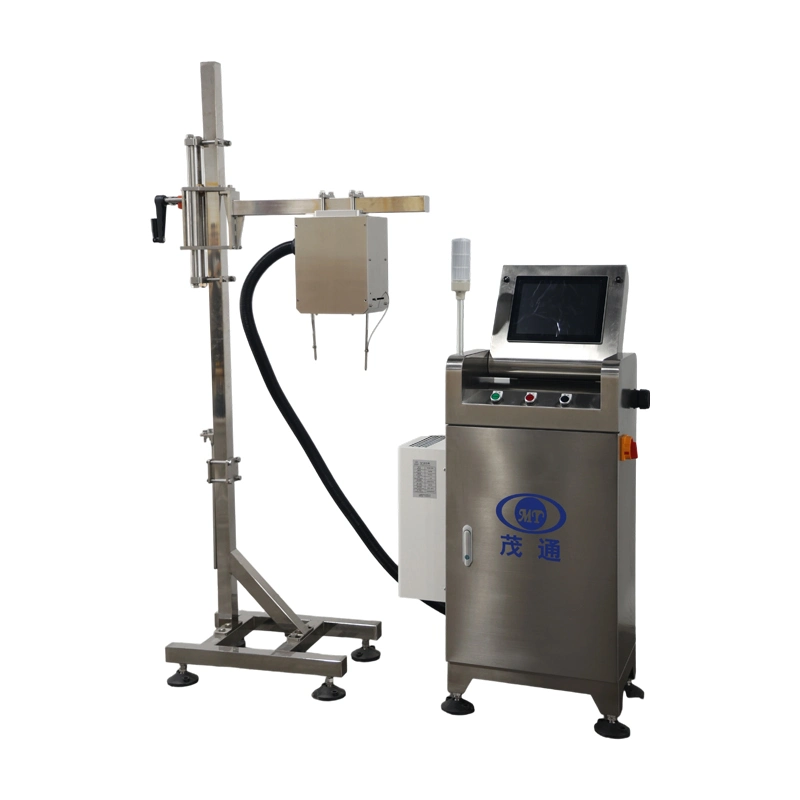
A comprehensive Liquid Level Inspection Machine installation package comprises the inspection unit, rejection unit, power distribution cabinet, human-machine interface, electronic systems, and mechanical structures. On-site installation and commissioning of the Liquid Level Inspection Machine can typically be completed within 24 hours.
Before installation, the purchaser is advised to prepare a rigid collection box at the reject point. This facilitates the collection of rejected containers, maintaining an organized production line. The power supply requirement is 220V ±20V, 50Hz, single-phase, with total power consumption of approximately 1.0 kW and control voltage of 24 VDC. Compressed air is specified as 4–12 Pa, with the customer providing the air pipeline from the main air source to the equipment.
Stability Features for Real Production Lines
The Liquid Level Inspection Machine employs non-contact, in-line inspection, safeguarding containers from damage during the process. Its encoder-based counting ensures rejection precision remains unaffected by line stoppages or speed variations. Furthermore, this Liquid Level Inspection Machine automatically adapts to varying line speeds for dynamic inspection.
Its stainless steel housing and sealed structure are engineered to withstand condensation, water droplets, and demanding industrial environments. Independent inspection and control cabinets minimize electromagnetic interference, and automatic X-ray shutoff during idle periods enhances both energy efficiency and safety. Audible and visual alarms combine with automatic rejection to clearly signal non-conforming containers during production.
Operating Conditions to Check Early
The equipment is designed for an altitude range of 5–3000 meters above sea level. Recommended ambient temperature is 5°C–40°C, with recommended relative humidity of 50%–65% RH. The factory floor flatness, load-bearing capacity, and other site conditions must meet relevant national standards to ensure stable operation.
For storage before installation, equipment and components require adherence to proper storage conditions, including lubrication and maintenance, to prevent surface damage or deformation that could impact installation, commissioning, or long-term performance.
FAQs
What is the best installation position for the Liquid Level Inspection Machine?
It is typically positioned after the filling machine, either before or after the inkjet printer.
How much straight conveyor space is required?
A single-row conveyor chain with at least 2 meters of straight section is required at the installation site.
Why is a guardrail gap needed?
A guardrail gap of ≤15 cm should be cut in the straight conveyor section to allow the reject outlet to remove defective containers.
What container materials are supported?
The system is suitable for aluminum, tinplate, PE, PET, PP, ceramics, glass, and other common packaging materials listed in the product scope.
Does foam affect inspection?
Foam or liquid turbulence may affect dynamic resolution, which is listed as ±1.5 mm.