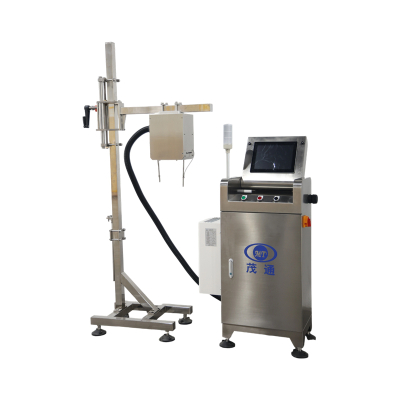
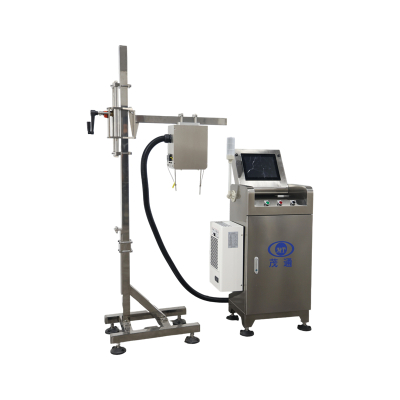
Use Liquid Level Inspection Machine Before Defects Travel
A Liquid Level Inspection Machine is essential for modern filling lines, enabling manufacturers to accurately identify containers that do not meet predefined fill standards before they proceed to downstream packaging. For beverage, food, and similar product lines, the benefit is clear: our machine detects both high and low fill conditions in real-time, comparing each container against established parameters and removing non-conforming products automatically, all without any physical contact.
Why Precise Fill Level Control Is Crucial for High-Speed Lines
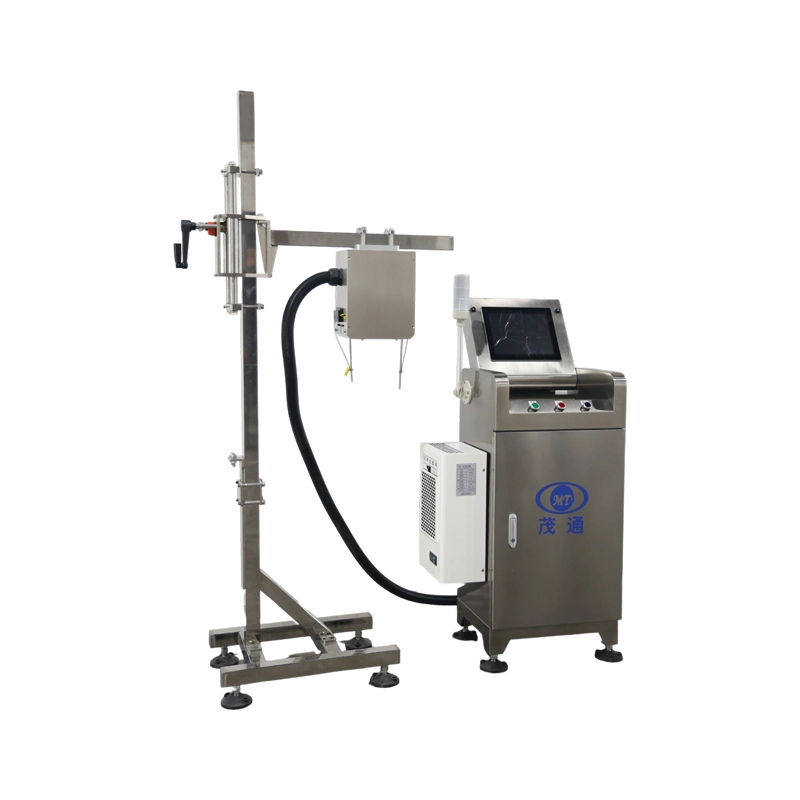
A modern Liquid Level Inspection Machine is specifically engineered for robust online detection and efficient automatic rejection of containers that do not meet specifications. Our MT-HFX-06 system is compatible with a broad array of common packaging materials, including aluminum, tinplate, PE, PET, PP plastics, ceramics, and glass. It handles a versatile product range, accommodating volumes from 200–2000 ml, with typical container diameters between 30–90 mm and heights from 50–200 mm.
For configurations requiring high performance, this machine can process an impressive 72,000 bottles or cans per hour. This makes our Liquid Level Inspection Machine an ideal solution for production environments where manual sampling simply cannot keep up with the rapid pace of the line. Furthermore, all inspection processes are non-contact, ensuring that containers remain undamaged during quality checks.
Comprehensive Inspection Capabilities
The inspection scope of our machine is both focused and highly practical. Low liquid level detection serves as the standard function, while high liquid level detection is available as an auxiliary function. This dual capability allows the system to effectively address both underfilled and overfilled container conditions, all according to the user’s precise configured standards.
| Inspection Item | Function Type | Purpose |
|---|---|---|
| Low liquid level detection | Standard | Identifies containers that fall below the preset fill threshold |
| High liquid level detection | Auxiliary | Supports the identification of containers exceeding the preset fill threshold |
Our Liquid Level Inspection Machine also employs encoder-based bottle counting, integrated with the synchronous motor. This technology is crucial for maintaining exceptional rejection accuracy, even if the production line experiences stoppages or changes in speed. At an impressive inspection speed of 400 containers per minute, our system boasts a rejection accuracy of ≥99.99%, ensuring minimal waste and consistent product quality.
Advanced Detection Principle
The system operates on the principle of X-ray penetration technology. Simply put, containers with different liquid levels create distinct projection patterns at the receiving end, which are then translated into measurable numerical readings. Based on user-defined parameters, the system meticulously evaluates each container’s fill level. If a container is found to be non-compliant, the system automatically triggers its rejection from the production line.
This principle is especially valuable in situations where the container material or product presentation makes traditional visual judgment challenging or unreliable. In the broader industry, fill level inspection can involve various methods, including vision, X-ray, infrared, thermal imaging, acoustic, or capacitive techniques. The choice of method typically depends on factors such as container material, line speed, filling behavior, and the specific inspection target. Our X-ray approach offers a robust and versatile solution for many demanding applications.
Key Technical Specifications for Buyers
Before selecting a Liquid Level Inspection Machine, prospective buyers should carefully compare their required line speed, container dimensions, available installation space, and environmental conditions against the machine’s operational parameters. Our MT-HFX-06 model offers robust specifications designed for industrial use:
| Item | Specification |
|---|---|
| Equipment Model | MT-HFX-06 |
| Conveyor Speed | ≤1.6 m/s (ensuring seamless integration with high-speed lines) |
| Container Diameter | 20–120 mm (selectable based on material density and container size) |
| Dynamic Resolution | ±1.5 mm (note: may be influenced by foam or liquid turbulence during operation) |
| Static Resolution | ±1 mm (for precise measurements in stable conditions) |
| Power Supply | 220V ±20V, 50Hz (single-phase, customer to provide) |
| Total Power Consumption | Approx. 1.0 kW (energy-efficient design) |
| Control Voltage | 24 VDC (standard for industrial control) |
| Operating Temperature | 0°C–40°C (suitable for most factory environments) |
| Relative Humidity | ≤95% at 40°C (non-condensing, offering high environmental adaptability) |
The machine’s core components include an inspection unit, rejection unit, power distribution cabinet, human-machine interface (HMI), advanced electronic modules, and robust mechanical assemblies. Its durable stainless steel housing and sealed design provide excellent resistance against fog and water droplets, making it highly suitable for demanding working environments. This robust construction ensures long-term stable operation and reliability.
Installation Requirements for Optimal Performance
For stable and reliable operation, our Liquid Level Inspection Machine is typically installed downstream of the filling machine, positioned either before or after the inkjet printer. The installation requires a single-row conveyor chain with a straight section of at least 2 meters reserved at the site. A guardrail opening, no more than 15 cm wide, is necessary in this straight chain section to facilitate the effective discharge of defective containers.
To ensure smoother handling of rejected products, we highly recommend that purchasers install a rigid collection container at the designated rejection point. Additionally, factory conditions such as floor flatness, load-bearing capacity, proper storage, and consistent lubrication and maintenance practices should all conform to relevant national standards. Adhering to these guidelines is vital for both proper installation and the long-term operational integrity of the equipment.
When Our Machine Is Your Best Fit
A Liquid Level Inspection Machine proves to be an excellent investment when producers need reliable online liquid level detection across a variety of common container materials, coupled with the benefit of automatic, non-contact rejection. It is particularly valuable for production lines where high speeds, container opacity, or significant fill variations make traditional manual checks unreliable or impractical.
For lines that also require additional quality checks, such as cap integrity or code verification, our related systems, like Bottle Cap Inspection solutions, can be integrated as part of a comprehensive packaging quality control plan. We are committed to providing tailored solutions that enhance your production efficiency and product integrity.
FAQs
What exactly does a Liquid Level Inspection Machine detect?
It accurately detects whether a container’s fill level is either above or below the user-defined standard, automatically triggering rejection for any non-conforming containers.
Is low liquid level detection a standard feature?
Absolutely. Low liquid level detection is indeed a standard function. High liquid level detection is also available as an auxiliary function to address overfill scenarios.
What types of container materials are supported by this machine?
Our machine is versatile, suitable for aluminum, tinplate, PE, PET, PP plastics, ceramics, glass, and a range of other common packaging materials.
Where is the ideal installation location for the machine?
The machine is typically installed downstream of the filling machine, positioned either before or after the inkjet printer, on a single-row conveyor chain.
Does the inspection process cause any damage to the container?
No, not at all. Our inspection system utilizes a non-contact method, ensuring that containers remain completely undamaged throughout the inspection process.