Choose Better Finish Control for 48000 BPH Lines
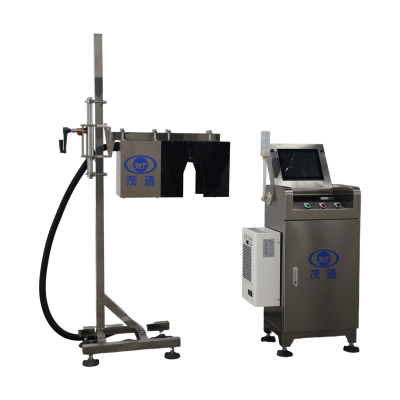
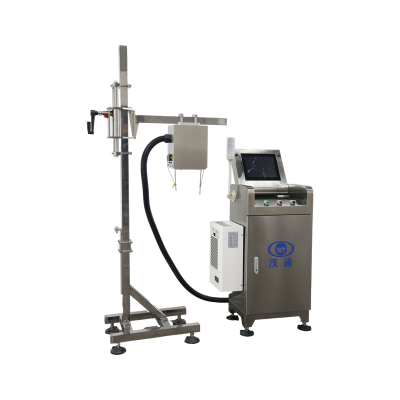
In high-speed PET and PE bottle production, finish quality cannot be treated as a final check. At 48,000 bottles per hour, a small sealing surface defect can quickly become a filling, capping, leakage, or rejection issue downstream. For buyers comparing the Best Bottle Inspection Machine for a 48,000 BPH packaging line, the MT-PK021 Bottle Finish Inspection Machine is designed for inline inspection of PET/PE bottle mouths and automatic removal of bottles with deformation or surface damage.

Why Bottle Finish Inspection Matters at High Speed
The bottle finish, especially the top sealing surface, is one of the most important areas in PET/PE packaging. If the mouth is chipped, deformed, oval, or damaged, the cap may not seal properly. On fast lines, these defects should be identified before defective containers reach filling or capping equipment.
A dedicated Bottle Mouth Inspection Machine supports this control point by using non-contact online inspection rather than manual sampling. For plants evaluating the Best Bottle Inspection Machine, the key question is not only inspection speed, but whether each rejected bottle can be accurately matched to the detected defect.
MT-PK021 Equipment Overview
The MT-PK021 is a Bottle Finish Inspection Machine configured for PET/PE bottle packaging lines rated at 48,000 bottles per hour. It is typically installed inside the blow molding machine, either at the bottle discharge position from the mold or on the conveyor chain.
| Item | Specification |
|---|---|
| Equipment name | Bottle Finish Inspection Machine |
| Model | MT-PK021 |
| Quantity | 1 set |
| Production capacity | 48,000 bottles/hour |
| Compatible containers | PET/PE bottles |
| Applicable line | 48,000 bottles/hour PET/PE bottle packaging line |
| Installation point | Inside the blow molding machine at bottle discharge, or on the conveyor chain |
| Function | Detects and removes bottles with deformation or surface damage on the bottle finish |
This specification makes the MT-PK021 a practical option when the Best Bottle Inspection Machine must be placed close to bottle forming rather than after defects have already entered downstream processes.
How the Inspection Process Works
The MT-PK021 uses a traceable inspection sequence built around bottle detection, image capture, analysis, and rejection.
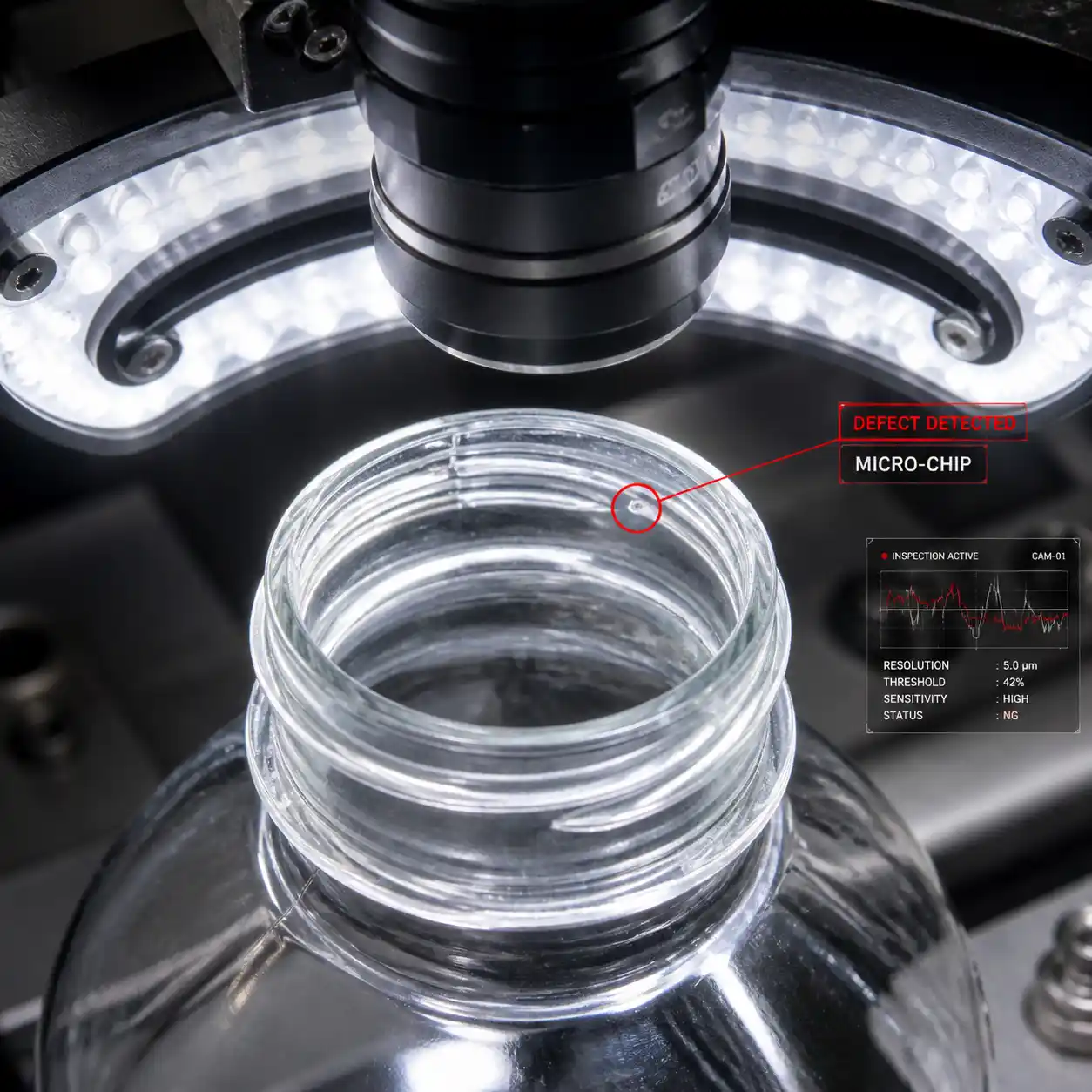
This workflow matters because the Best Bottle Inspection Machine for a high-speed line must do more than identify a defect; it must also remove the correct bottle without disturbing normal production flow.
Vision Components for Stable Bottle Mouth Imaging
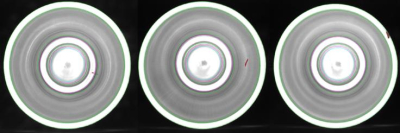
The MT-PK021 uses an LED area light source with a service life of up to 30,000 hours. With front illumination, the bottle mouth appears as a continuous bright ring in the image, helping the system evaluate the finish area clearly. A manual-aperture fixed-focus lens is used; the focus ring is adjusted for image clarity on the CCD sensor, while the aperture ring is adjusted for brightness.
The camera is an area-array CCD analog camera with a resolution of 640 × 480 pixels and an image acquisition speed of up to 60 frames per second. This configuration supports high-speed image capture for machine vision inspection of the bottle finish.
Defects and Accuracy Scope
The MT-PK021 inspection scope focuses on defects that can affect the bottle mouth and sealing surface. The system is designed to inspect through-holes, internal chipping, external chipping, localized spot defects, and neck deformation such as ovality.
| Inspection item | Reference size | Detection accuracy | False rejection rate |
|---|---|---|---|
| Penetration | Vertical section width 0.8 mm, depth 0.25 mm | ≥99.99% | ≤0.03% |
| Internal defects | Vertical section width 0.8 mm, depth 0.25 mm | ≥99.95% | |
| External defects | Vertical section width 0.8 mm, depth 0.25 mm | ≥99.95% | |
| Point defects | Diameter 0.8 mm, depth 0.25 mm | ≥99.99% | |
| Neck deformation ovality | Diameter difference 2 mm | ≥99.95% |
For buyers assessing the Best Bottle Inspection Machine, these inspection items are especially relevant because finish defects are directly connected with sealing stability and rejection control.
Operating Conditions to Confirm Before Installation
The MT-PK021 is designed for industrial environments with an altitude range of 5–3000 meters, ambient temperature of 5°C–40°C, and relative humidity of 50%–65% RH. Factory floor levelness, load-bearing strength, and related site conditions should comply with national standards to support stable equipment operation.
Operating requirements include a noise level of ≤85 dB, main power supply of 3 × 380V AC ±10%, 50 Hz, 3PH + N + PE, lighting power of 220V AC 50 Hz single-phase, total power consumption of approximately 1.0 kW, control voltage of 24 VDC, and compressed air of 4–6 bar. Special voltage requirements should be confirmed in advance because they may affect equipment specifications, delivery time, and cost.
FAQs
What containers can the MT-PK021 inspect?
It is designed for PET and PE bottles used on PET/PE bottle packaging lines rated at 48,000 bottles per hour.
Where is the machine installed?
It can be located inside the blow molding machine at the bottle discharge position from the mold or installed on the conveyor chain.
What defects does it detect?
It detects deformation and surface damage on the bottle finish, including through-holes, internal chipping, external chipping, spot defects, and oval-shaped neck deformation.
Does the inspection contact the bottle?
The system uses non-contact online vision inspection, so the inspection process does not require physical contact with the bottle finish.
Why is it considered when selecting the Best Bottle Inspection Machine?
It combines 48,000 bottles/hour capacity, inline bottle ID tracking, CCD image acquisition, HMI display, and automatic rejection for PET/PE bottle finish defects.