Choose a Code Inspection Machine for PET Bottle Quality
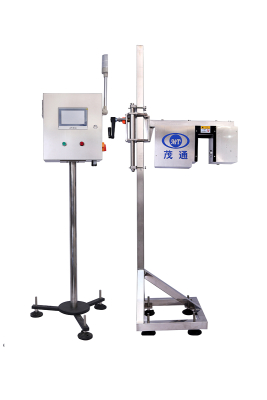
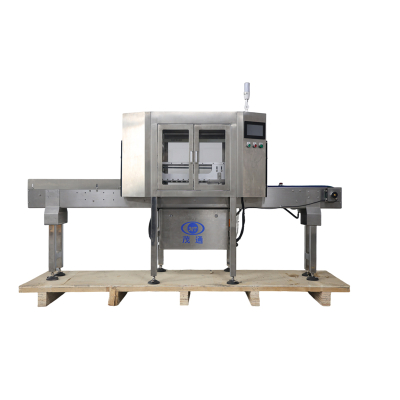
A Code Inspection Machine is no longer just a final check for printed dates or batch marks. On a fast PET bottle line, code quality is closely linked with cap placement, anti-theft ring condition, liquid level accuracy, and automatic rejection. The PET Bottle Cap, Anti-theft Ring, Liquid Level, and Inkjet Printing Inspection System is designed for online inspection of PET bottles from 200 mL to 2 L, with a maximum throughput of 60,000 bottles per hour.

Why Code Inspection Belongs in Full Bottle Quality Control
A printed code is only useful when it stays readable, correctly positioned, and matched with a properly sealed bottle. That’s why an integrated Code Inspection Machine is best evaluated as part of a wider PET bottle inspection system rather than as a standalone print-checking device.
The system performs comprehensive online inspection of PET bottles, covering cap integrity, anti-theft ring condition, liquid level accuracy, and inkjet printing quality. When a defective bottle is identified, it is automatically rejected from the production line. This approach supports continuous inspection instead of relying only on manual sampling.
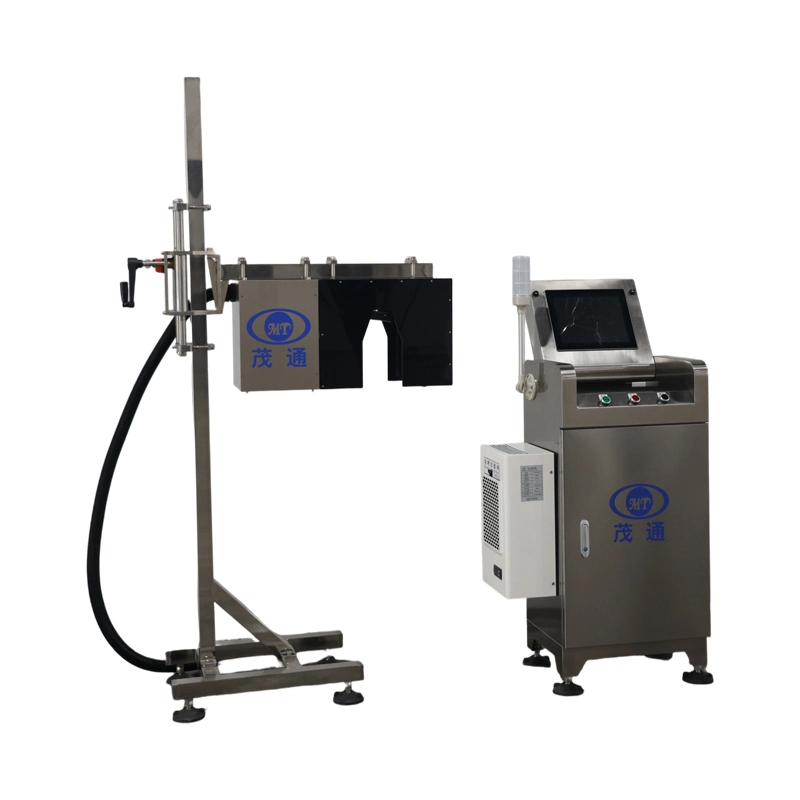
For buyers comparing equipment options, the PET Bottle Code Detection Machine is especially relevant when inkjet code presence and print quality are key purchasing concerns.
Core Inspection Scope
The Code Inspection Machine works within a system that checks several high-risk points on PET bottle lines:
| Inspection area | Defects or conditions checked |
|---|---|
| Bottle cap | Missing cap, high cap, tilted cap |
| Anti-theft ring | Broken anti-theft ring |
| Liquid level | Low liquid level |
| Inkjet printing | Missing inkjet code, excessive inkjet printing |

Cap inspection also matters because a readable code cannot compensate for an improperly closed bottle. The Bottle Cap Inspection Machine is described with multi-angle inspection, a graphical man-machine interface, fast processing speed, high inspection accuracy, and reduced manual intervention.
How the Inspection Process Works
The inspection sequence is straightforward. As each PET bottle passes the positioning sensor, the sensor detects the bottle and activates the control unit. The control unit records the bottle’s ID and the real-time encoder signal. Cameras then capture images at inspection points such as the bottle cap, internal liquid level, and inkjet marking.
The vision processor analyzes the images and sends results to the HMI for display and to the PLC for rejection control. If a defect is detected, the control unit matches the rejection signal to the specific bottle ID and instructs the rejector to remove that bottle from the line. In this setup, the Code Inspection Machine becomes part of a linked inspection and rejection process, not just an isolated camera station.
Liquid Level and Code Quality Work Together
Liquid level inspection is important for beverage and PET packaging lines because underfilled bottles can create quality and compliance concerns. The Liquid Level Measurement Devices page describes online inspection of PET bottles with automatic identification and rejection of defects related to caps, anti-theft rings, liquid levels, or inkjet printing quality.
For a purchasing team, this means a Code Inspection Machine should be reviewed together with line speed, bottle type, bottle volume range, rejection method, lighting conditions, and installation position. The system is installed on the conveyor line at a suitable point downstream of the filler to support stable bottle movement and accurate detection.
Site and Utility Requirements Buyers Should Confirm
Before selecting a Code Inspection Machine, buyers should confirm whether the plant environment and utilities match the operating requirements.
| Item | Requirement |
|---|---|
| Installation altitude | 5–3000 m above sea level |
| Operating temperature | 5°C–40°C |
| Recommended relative humidity | 50%–65% RH |
| Power supply | 220V AC, 50 Hz, single-phase |
| Total power consumption | Approx. 2.4 kW |
| Control voltage | 24 VDC |
| Compressed air | 4–12 Pa |
| Applicable container | PET bottles |
| Product capacity range | 200 mL–2 L |
| Maximum throughput | 60,000 bottles/hour |
Special voltage requirements should be communicated in advance because they may affect specifications, delivery schedule, and pricing.
Practical Buying Takeaway
A suitable Code Inspection Machine for PET bottle production should do more than check whether a printed code exists. It should fit the line position, match the bottle size range, support the required throughput, and coordinate with automatic rejection. For PET bottles from 200 mL to 2 L, the integrated cap, anti-theft ring, liquid level, and inkjet printing inspection approach gives buyers a clear path to inspect critical bottle conditions at high speed.
FAQs
What does this Code Inspection Machine inspect?
It inspects PET bottle cap integrity, anti-theft ring condition, liquid level accuracy, and inkjet printing quality.
What bottle range is supported?
The system is designed for PET bottles with a product capacity range of 200 mL to 2 L.
What is the maximum throughput?
The maximum throughput is 60,000 bottles per hour.
Can defective bottles be removed automatically?
Yes. Defective bottles identified by the inspection system are automatically rejected from the production line.
Where is the system installed?
It is installed on the conveyor line at a suitable point downstream of the filler to support stable bottle movement and accurate detection.