Make PET Bottle Inspection Faster and More Predictable
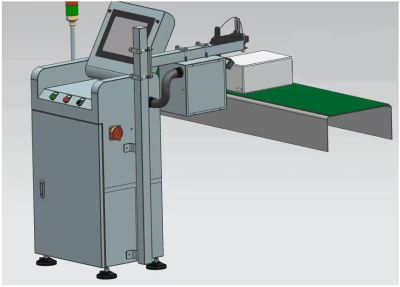
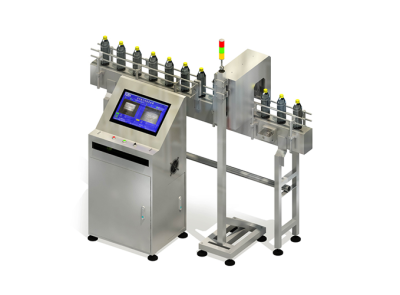
For PET beverage and liquid packaging lines, quality control is no longer just a final check. Caps, anti-theft rings, liquid levels, and inkjet codes all need to be inspected quickly and consistently while bottles continue moving through production. Our Cap and Liquid Level Inspection Machine is designed for this purpose, combining visual inspection, real-time display, and automatic rejection in one online system for PET bottles from 200 mL to 2 L.

Integrated Inspection for PET Full Bottles
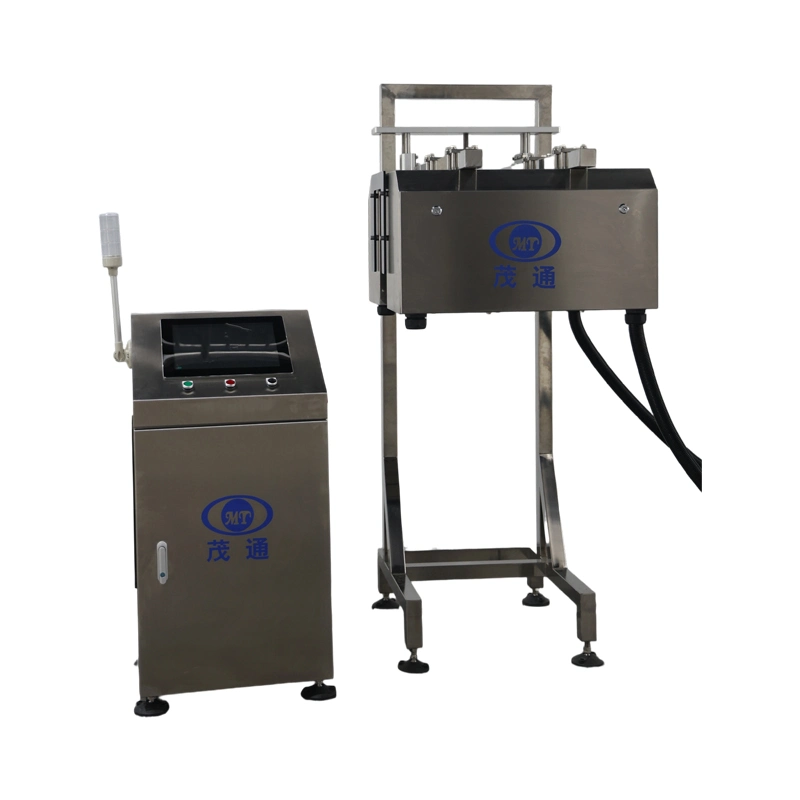
Our Cap and Liquid Level Inspection Machine is installed at the designated inspection point on the production line. As bottles pass through the system, it checks several critical items in a coordinated workflow: missing caps, high caps, crooked caps, damaged or broken anti-theft rings, low liquid level, missing inkjet codes, and excessive or abnormal inkjet printing.
This integrated structure reduces dependence on separate inspection stations. Instead of checking cap quality, liquid level, and coding in disconnected steps, the Cap and Liquid Level Inspection Machine records the bottle position, captures images, analyzes defects, and sends reject signals through the control system. The fastest inspection speed can reach 50,000 BPH, while the system is specified with a maximum throughput of up to 60,000 bottles per hour.
Graphical HMI for Practical Line Operation
One key advantage of the Cap and Liquid Level Inspection Machine is its graphical man-machine interface. On fast production lines, operators need clear information rather than complicated controls. The HMI presents inspection results in a visual, concrete way, allowing production staff to monitor defects, understand machine status, and adjust operating parameters more easily.
Because the operation is simple and intuitive, the system is suitable for day-to-day use by line personnel. The image processor communicates with the PLC, while the HMI displays inspection information in real time. This layout supports faster decision-making when repeated defects appear, helping teams respond before defective products move further downstream.
How the Detection Workflow Works
The inspection sequence for the Cap and Liquid Level Inspection Machine is built around sensor triggering, image capture, processing, and rejection. When each PET bottle passes the positioning sensor, the control unit records the bottle ID and encoder signal. The sensor then triggers CCD cameras to capture images of the cap, liquid level, and inkjet code. After digital analysis, the results are transmitted to the HMI and PLC.
If the Cap and Liquid Level Inspection Machine identifies a non-conforming bottle, the control unit sends a command to the rejector. The reject mechanism then removes the bottle corresponding to the recorded ID. This closed-loop process is important for high-speed inspection because rejection must remain synchronized with bottle movement, even when the line is operating continuously.
Multi-Angle Cap and Ring Inspection
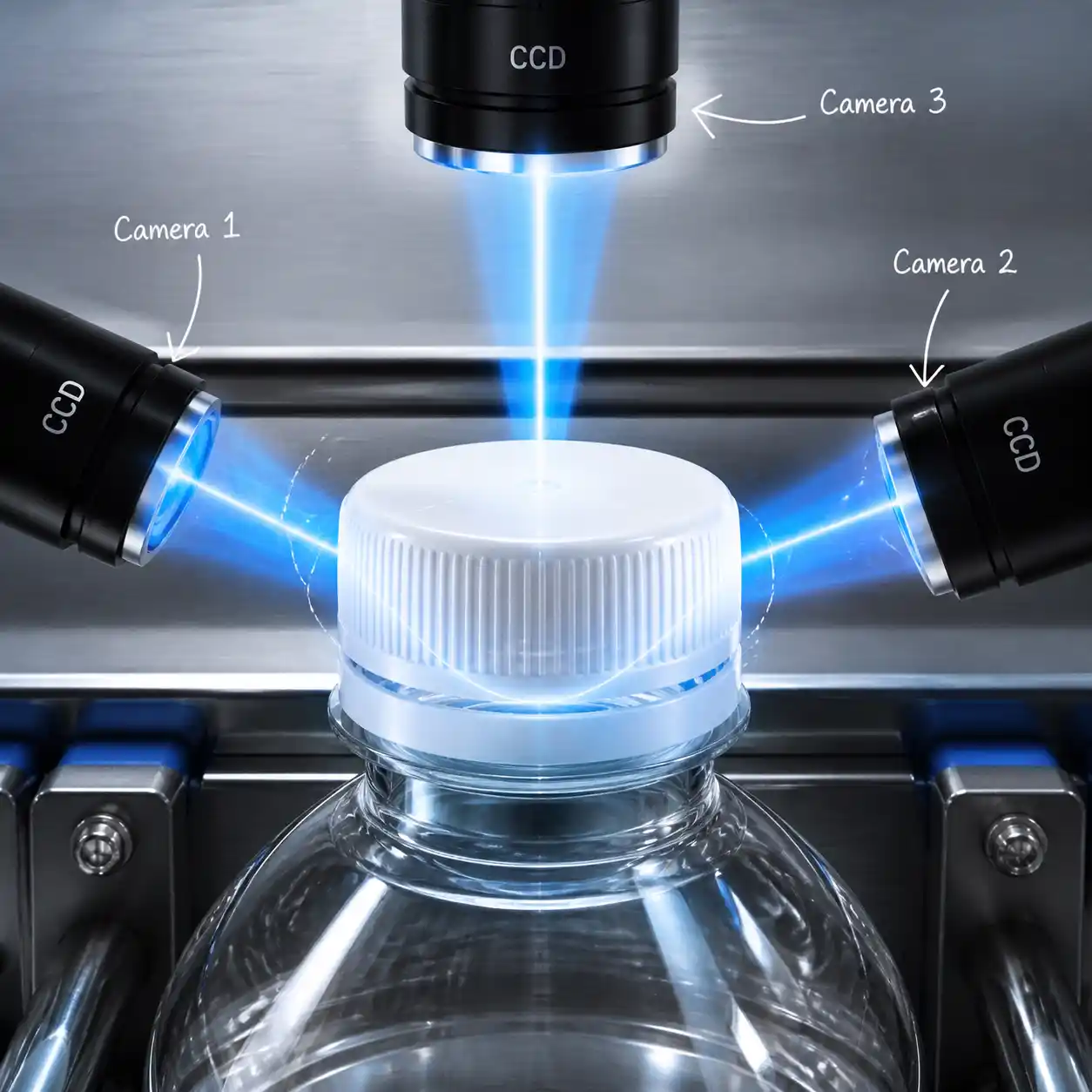
Cap inspection uses three CCD cameras to capture bottle images from different angles. This multi-angle arrangement reduces dead zones and improves recognition of cap-related defects. The module is designed to detect missing caps, overhanging caps, crooked caps, and broken caps, while special optical lenses help filter light from different directions for efficient image acquisition.
The Cap and Liquid Level Inspection Machine also checks anti-theft ring conditions. The specified inspection table includes 100% disconnected rings, partially broken rings, and missing rings at different levels. For example, 100% missing safety rings are listed with a rejection rate of ≥99.99%, while partially missing or broken ring conditions are defined with corresponding detection performance figures.
Liquid Level and Inkjet Code Detection
For liquid level detection, the Cap and Liquid Level Inspection Machine uses a CCD camera to capture frontal bottle images. In the processed image, the region below the liquid level appears black, while the empty region above appears white. The system distinguishes whether the level is above or below the standard threshold, with high and low liquid level detection specified at 3 mm below or above the standard and a rejection rate of ≥99.92%.
Inkjet printing inspection is also included. The Cap and Liquid Level Inspection Machine captures frontal images of inkjet codes on bottles and caps, then analyzes whether the coding is missing, incomplete, excessive, abnormal, or blurred enough to remove characters after processing. The system supports inspection combinations such as black ink on yellow caps and white ink on black caps.
LED Illumination and Core Components
Stable lighting is essential for repeatable visual inspection. The Cap and Liquid Level Inspection Machine uses a high-brightness LED light source with adjustable brightness. The light source is designed for long life, energy saving, and maintenance-free operation, helping maintain image contrast across production conditions.
The mechanical structure includes a distribution cabinet, detection module, and rejection device. The detection module includes the LED light source, industrial CCD camera, and sensor. The distribution cabinet contains image processing and control components, while the rejection device uses solenoid valves and mechanical components to remove defective products.
Key Accuracy Indicators
| Inspection item | Defined condition | Rejection rate |
|---|---|---|
| No cap | — | ≥99.99% |
| High cap | >0.8 mm | ≥99.98% |
| Crooked cap | >0.8 mm | ≥99.5% |
| Safety ring 100% disconnected | >1 mm gap | ≥99.99% |
| Safety ring 100% missing | — | ≥99.99% |
| Liquid level high or low | ±3 mm from standard | ≥99.92% |
| No inkjet print | — | ≥99.99% |
| Overall inkjet print 50% missing | — | ≥99.95% |
FAQs
What bottle types can the Cap and Liquid Level Inspection Machine inspect?
The Cap and Liquid Level Inspection Machine is designed for PET bottles, with a product volume range of 200 mL to 2 L.
What defects does the system check?
It checks cap defects, anti-theft ring defects, liquid level deviation, missing inkjet codes, and abnormal inkjet printing on PET bottles.
How fast can the Cap and Liquid Level Inspection Machine run?
The fastest inspection speed can reach 50,000 BPH, and the stated maximum throughput is up to 60,000 bottles per hour.
Does the machine require complex operation?
No. The graphical man-machine interface of the Cap and Liquid Level Inspection Machine is designed to be intuitive, helping production line staff operate the machine with simpler parameter setting and real-time inspection display.
Why does multi-angle cap inspection matter?
Using three CCD cameras from different angles reduces blind spots and supports more reliable detection of missing, high, crooked, or broken caps.