Keep Liquid Level Capping Detection Machine Accuracy Stable
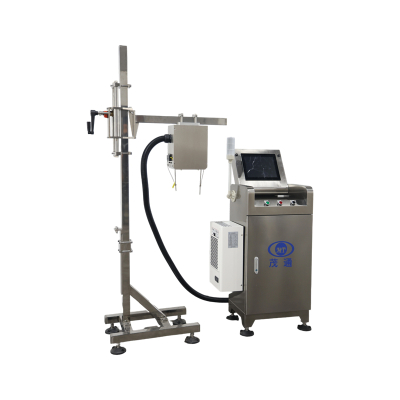
The Liquid Level Capping Detection Machine is our solution for online inspection and rejection on PET bottle production lines. Its inspection scope covers missing caps, high caps, tilted caps, broken anti-theft rings, low liquid level, missing inkjet printing, and excessive inkjet printing. For buyers planning high-speed PET bottle inspection, the machine itself is only one part of the project. The surrounding factory environment, utilities, floor conditions, and storage practices must also match the stated operating requirements.

Environmental Conditions That Support Stable Inspection
For the Liquid Level Capping Detection Machine, the operating environment should be prepared around three defined limits:
These values should be treated as practical site requirements, not casual recommendations. The system is installed directly on the PET bottle production line, where positioning sensors, cameras, image processing, HMI display, PLC control, and the rejection device work in sequence. Stable ambient conditions help the inspection and rejection section run within the intended installation and commissioning environment.
The Liquid Level Capping Detection Machine is suitable for PET bottles from 200 ml to 2 L, with project output listed at up to 60,000 bottles per hour. Its product page also describes high-speed inspection performance up to 50,000 BPH with high accuracy. At these speeds, site preparation becomes especially important because small disturbances can affect bottle flow, image capture, or rejection timing.
Factory Conditions Buyers Should Confirm Before Installation
Before the Liquid Level Capping Detection Machine arrives on site, the factory should check the installation area against the equipment requirements and confirm them with the project team.
| Factory item | Required condition | Why it matters |
|---|---|---|
| Floor levelness | Must meet relevant national standards | Supports normal installation and stable equipment operation |
| Load-bearing capacity | Must meet relevant national standards | Helps the line maintain proper mechanical support over time |
| Main power supply | 220V, 50Hz, single-phase | Customer-provided supply; special voltage requirements should be confirmed in advance |
| Total power consumption | Approx. 2.4 kW | Helps the plant prepare suitable electrical capacity |
| Control voltage | 24 VDC | Supports the control system used for inspection and rejection logic |
| Compressed air | 4–12 Pa | Required for the rejection device; the customer provides the pipeline from the air source to the equipment |
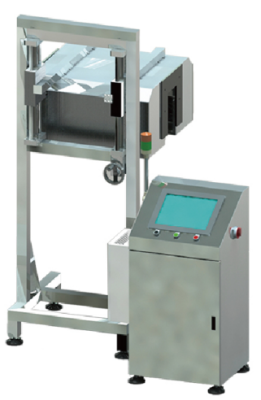
The Liquid Level Capping Detection Machine includes a detection module with LED light source, industrial CCD camera, and sensor; a distribution cabinet with image processor, interface processor, strobe controller, and PLC; and a rejection device using solenoid valves and mechanical components. These assemblies depend on proper site preparation to complete inspection, display results, and remove defective bottles online.
Storage Conditions After Delivery
Storage is part of the installation plan. After the Liquid Level Capping Detection Machine and its components arrive at the factory, all parts and machines should be stored in a location that meets relevant national standards. During storage, proper lubrication and maintenance are required to prevent surface damage, corrosion, or deformation that may affect installation, commissioning, or later operation.
A practical receiving checklist should include:
This step is especially relevant when a production line is not ready immediately after equipment delivery.
How the Inspection Process Works
The Liquid Level Capping Detection Machine follows an online inspection sequence designed for continuous PET full-bottle quality control. As a PET bottle passes the positioning sensor, the control unit records the bottle ID and encoder signal. The sensor then triggers the camera to capture images of the cap, liquid level, and inkjet printing area. The image processor analyzes the captured data and sends results to the HMI for real-time monitoring and to the PLC for rejection preparation.
If a defective bottle is identified, the control unit sends a rejection command, and the rejector removes the corresponding bottle from the production line. The inspection scope includes cap condition, anti-theft ring integrity, liquid level, and inkjet printing status, making the Liquid Level Capping Detection Machine suitable for PET full-bottle quality control where multiple checks are needed at one inspection section.
Why Plant Preparation Protects PET Bottle Quality
A well-prepared factory environment helps the Liquid Level Capping Detection Machine perform its intended role: online inspection and rejection of nonconforming PET bottles. The most important preparation points are simple but essential: keep altitude, temperature, and humidity within the specified ranges; ensure the floor meets levelness and load-bearing requirements; provide the correct power and compressed air; and protect the machine properly during storage.
For production teams comparing PET bottle inspection equipment, these requirements should be reviewed before purchase, installation, and commissioning. When the plant conditions match the equipment conditions, the Liquid Level Capping Detection Machine can be integrated more smoothly into the bottle conveyor section and used for continuous inspection of caps, liquid level, anti-theft rings, and inkjet printing.
FAQs
What bottle types does the Liquid Level Capping Detection Machine support?
It is designed for PET bottles with a product capacity range of 200 ml to 2 L.
What is the listed maximum output?
The project maximum output is up to 60,000 bottles per hour.
What environmental temperature is required?
The specified optimum ambient temperature is 5°C–40°C.
What humidity range should the factory maintain?
The specified optimum ambient humidity is 50%–65% RH.
What does the machine inspect?
It inspects missing caps, high caps, tilted caps, broken anti-theft rings, low liquid level, missing inkjet printing, and excessive inkjet printing.
What power supply is required?
The machine requires 220V, 50Hz, single-phase power, with total power consumption of approximately 2.4 kW and 24 VDC control voltage.
How should the machine be stored before installation?
It should be stored in a location meeting relevant national standards, with proper lubrication and maintenance to prevent damage, corrosion, or deformation.