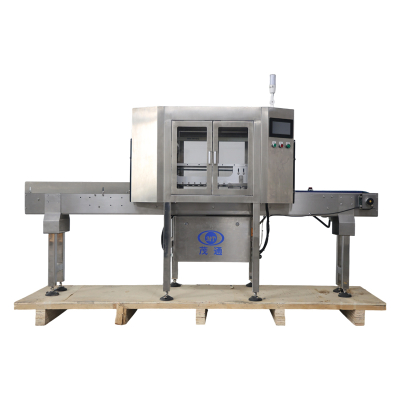
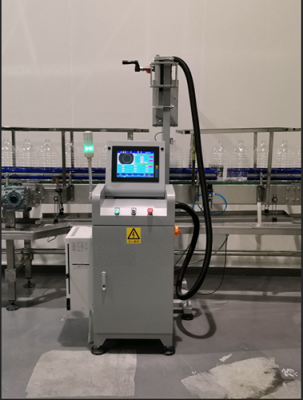
Place Best Can Vacuum Inspection Machine Where Rejects Stay Stable
For the Best Can Vacuum Inspection Machine, proper installation is critical for optimal inspection performance. This sophisticated system relies on non-contact detection: an electromagnetic pulse excites a magnetically responsive lid, a specialized probe captures the resulting acoustic response, and a high-precision processing unit compares signal differences related to internal pressure and sealing condition. The effectiveness of this measurement hinges on stable product movement, consistent lid characteristics, stable temperature conditions, and reliable rejection mechanisms. Consequently, a meticulously prepared installation site is crucial for seamless commissioning and consistent operation.

Install It After the Cooler
The designated position for the Best Can Vacuum Inspection Machine is downstream of the cooler. This placement is crucial because rapid temperature changes within containers can significantly affect internal pressure, leading to inaccurate inspection results and an increased rate of false rejections. By installing the machine after the cooling stage, the production line avoids inspecting products while their thermal condition is still in flux, thereby ensuring more stable and reliable readings. The system measures subtle acoustic differences caused by pressure variations, and these variations must primarily reflect sealing integrity, not transient temperature effects.
The required line arrangement involves a horizontal, single-row conveyor. The straight conveyor section leading to and through the inspection zone should be at least 1.5 meters long, though a longer section is always preferred if the production layout permits. This extended, stable section provides an optimal and consistent operating environment for both the detection and rejection components of the system, minimizing external interferences during the critical inspection phase.
Keep the Conveyor Stable During Detection
Stable chain-plate movement is absolutely crucial for the Best Can Vacuum Inspection Machine. The inspection process is dynamic and non-contact, relying on the precise capture of acoustic responses. During operation, an electromagnetic pulse excites the can lid, which then vibrates and produces an acoustic echo. This echo is meticulously captured by sensors. If the can or glass bottle is unstable, even slightly, while passing the probe, the measurement conditions become inconsistent. This instability can introduce noise or variations into the acoustic signal, making it difficult for the system to accurately distinguish between a true defect and a measurement artifact, thereby compromising detection accuracy.
For various filled-product leakage applications, our Can Vacuum Inspection Machine documentation highlights inspection items like detecting leakage, missing gaskets, excess gaskets, and bulging cans. Achieving these precise inspection goals depends not only on the advanced detection principle but also heavily on proper and stable line integration.
Confirm Power and Reject Air Early
Before inline commissioning, the Best Can Vacuum Inspection Machine requires specific utilities. These should be meticulously prepared during the site planning phase, especially since the reject mechanism relies on an external compressed air supply within a specified pressure range. Inadequate or unstable utility supply can lead to significant operational issues.
| Item | Requirement |
|---|---|
| Power supply | 220V, 50Hz AC |
| Total power draw | Less than 120W |
| Compressed air | External supply required for rejection |
| Air pressure | 4–12 bar |
| Non-standard voltage | Inform the supplier in advance |
Both power and air supply should be thoroughly checked and verified before the mechanical positioning of the machine is finalized. Installing the machine first and then addressing utility deficiencies can lead to delays in commissioning and make it much harder to validate reject performance under real production conditions. A stable power supply ensures consistent machine operation, while the correct compressed air pressure is vital for the swift and effective removal of defective products from the line.
Control Lid Material and Batch Consistency
The lid material is a foundational requirement: it must be magnetic. This isn't a minor packaging detail; it's a fundamental functional condition for the Best Can Vacuum Inspection Machine. The detection principle fundamentally relies on the electromagnetic excitation of the lid surface. Without magnetic properties, the induced vibration necessary for acoustic analysis simply cannot occur, rendering the inspection ineffective. Therefore, confirming the magnetic properties of your container lids is a critical first step in ensuring the system's viability.
Additionally, all lids used during production should come from the same production batch. Mixing lids from multiple batches may reduce detection effectiveness because subtle variations in material composition, coating, or manufacturing tolerances between batches can alter their electromagnetic response and acoustic signatures. When changing products or packaging materials, managing lid batch control should be considered an integral part of the inspection setup, not merely a purchasing or warehouse concern. This consistency ensures the machine can maintain its high precision and accuracy over continuous operation.

Pre-Commissioning Checklist
Before running the Best Can Vacuum Inspection Machine inline, ensure these critical points are confirmed on site to guarantee optimal performance and accuracy:
By diligently meeting these conditions, the equipment is perfectly poised for dynamic non-contact inspection with reliable automatic rejection. It's designed for a maximum throughput of up to 1,200 cans per minute, provided it operates consistently within these stated equipment and environmental conditions.
FAQs
Why must the Best Can Vacuum Inspection Machine be installed after the cooler?
Rapid temperature changes can dramatically affect detection results and may cause false rejections by altering internal container pressure. Therefore, the specified installation position is downstream of the cooler, where product temperatures have stabilized.
How much straight conveyor space is required?
A horizontal, single-row conveyor section of at least 1.5 meters is required. A longer, stable section is always preferred when the production-line layout permits, as it enhances detection consistency.
Can lids from different batches be used together?
This is not recommended. Lids must be magnetically responsive and should come from the same batch during production. Mixing batches can reduce detection effectiveness due to variations in material properties.
What utilities are required before commissioning?
The machine requires 220V, 50Hz AC, with a total power consumption below 120W, and an external compressed air supply at 4–12 bar for the rejection system. Any different voltage standards should be communicated to the supplier in advance.
What container types are listed as applicable?
The equipment documentation specifies that it is applicable to cans, three-piece cans, glass bottles, metal caps, and other flat, magnetically responsive caps.