Make Can Cap Defects Easier To Reject
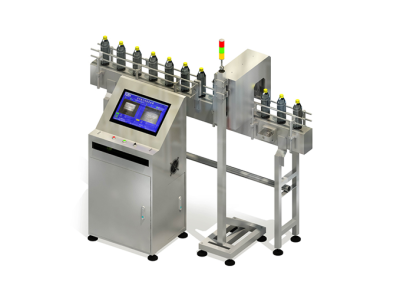
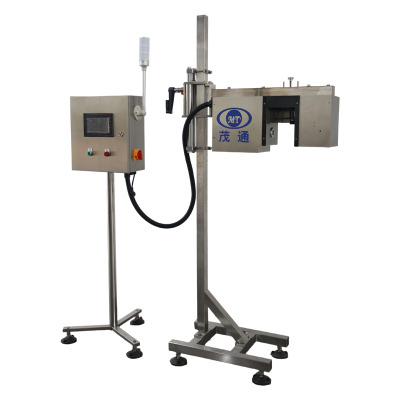
An Automatic Visual Inspection Machine offers BC can packaging lines an efficient way to inspect cap quality without physical contact. Our Automatic Visual Inspection Machine Online Inspection Machine for BC Can Caps uses four cameras for 360° image analysis, checking for defects such as broken bridges and cap deformation. It then automatically rejects flawed products directly on the line. With a standard rated capacity of 400 cans/min, this system is perfectly designed for cans and BC cans ranging from 100 mL to 1000 mL.
The Critical Need for Inline Cap Inspection
In BC can production, cap defects can rapidly progress from filling and sterilization into downstream packaging if inspection is not immediate. Manual inspection, while traditional, is often slow, prone to human error, and struggles to keep up with high-speed production lines. This can lead to significant waste, costly recalls, and damage to brand reputation. An Automatic Visual Inspection Machine places quality control directly on the line, enabling operators to identify and remove defective caps before they proceed further in the production process.
Our system, specifically designed for BC series cans, uses advanced machine vision technology for fully automated, non-contact online inspection. It precisely targets critical defects that impact both cap integrity and product appearance. These include broken bridges, thread distortion, twisted bottoms, and cap-edge lifting. This focused approach ensures that only high-quality caps advance, making our Automatic Visual Inspection Machine particularly valuable for operations requiring stable, high-speed cap inspection and automatic removal of unqualified products.
Unrivaled Precision: Four Cameras Deliver 360° Cap Inspection
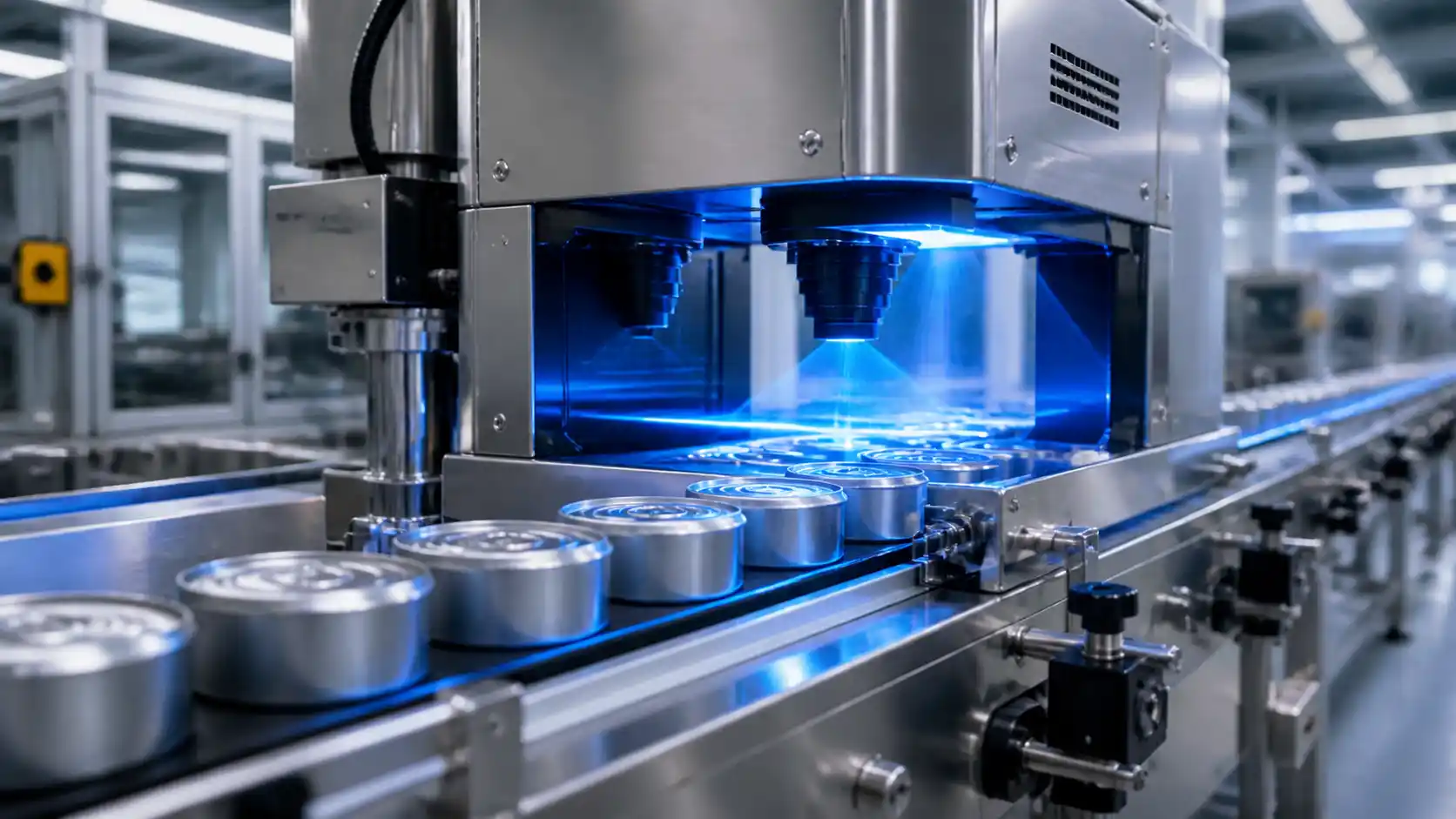
The Automatic Visual Inspection Machine is engineered with four cameras to perform a comprehensive 360° image inspection of BC can caps. This multi-camera setup eliminates blind spots, guaranteeing a complete view of each cap. Unlike manual checks or sporadic offline sampling, our Automatic Visual Inspection Machine integrates sensing, image capture, advanced processing, dynamic display, precise tracking, and automated rejection into one seamless online workflow.

The Inspection Sequence
This continuous, automated process ensures that every BC can cap is thoroughly inspected, maintaining consistent quality without interrupting the production flow.
Pinpointing Imperfections: Detailed Defect Detection
Our Automatic Visual Inspection Machine offers distinct performance levels tailored to specific defect conditions. This detailed breakdown ensures that manufacturers can precisely match the inspection system's capabilities to their most critical quality control requirements.
| Inspection Item | Specified Condition | Performance | Rejection Rate |
|---|---|---|---|
| Bottle Cap | No Cover | -- | ≥99.99% |
| Broken Bridge | Gap spacing > 0.5 mm or disconnect at two points | ≥99.99% inspection accuracy | |
| Deformed Cover | Thread twisting or cap edge lifting | ≥99.95% inspection accuracy | |
| Broken Bridge | Disconnect at one point | ≥99.75% inspection accuracy |
Understanding these distinctions is crucial during procurement and commissioning. For instance, a broken bridge with a gap spacing exceeding 0.5 mm is evaluated separately from a one-point disconnection. This granular approach allows production teams to fine-tune the Automatic Visual Inspection Machine to address their specific quality priorities, ensuring that critical defects are identified with the highest accuracy.
Seamless Integration into Your Production Line
The Automatic Visual Inspection Machine is engineered for smooth integration into existing can and BC can packaging lines, accommodating production speeds up to 400 cans/min. Its ideal installation point is on a single-lane conveyor, positioned after the high-temperature sterilizer and air dryer. This strategic placement ensures that inspection occurs after key upstream processes, preventing defective cans from advancing to later, more costly packaging stages.
Before deploying an Automatic Visual Inspection Machine, certain site conditions must be met to ensure optimal performance and stability:
Technical Specifications and Operational Assurance
Thorough electrical planning is crucial before installation. The specified main power supply for the Automatic Visual Inspection Machine is 3 × 380 VAC ±10%, 50 Hz, 3 PH + N + PE. For lighting, a 220 VAC, 50 Hz, single-phase supply is required, with a control voltage of 24 VDC. The total power consumption of the system is approximately 1.0 kW.
Regarding operational environment, the stated noise level is ≤85 dB. However, actual noise levels might vary depending on factors such as the specific container type being processed, the machine's load, the building's acoustics, and other related elements. It is important to confirm any special voltage requirements in advance, as these may lead to variations in equipment specifications, delivery schedules, and pricing. Our commitment is to provide robust and reliable solutions that fit your operational needs.
FAQs
What does the Automatic Visual Inspection Machine inspect?
It inspects BC can caps for no cover, broken bridges, and deformed covers, which include thread twisting, twisted bottoms, and cap-edge lifting.
Does the Automatic Visual Inspection Machine support 360° inspection?
Yes, the system employs four cameras to perform comprehensive 360° image analysis of BC can caps.
What is the rated production speed?
The standard rated capacity of the machine is 400 cans/min.
What container sizes are supported?
The specified container volume range for cans and BC cans is 100 mL to 1000 mL.
Where should the machine be installed?
It is designed for installation on a single-lane conveyor after the high-temperature sterilizer and air dryer.