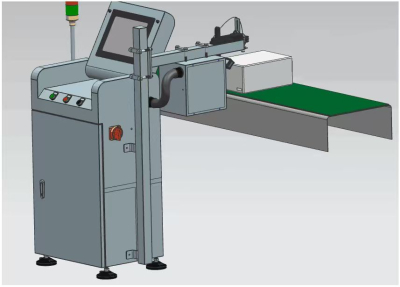
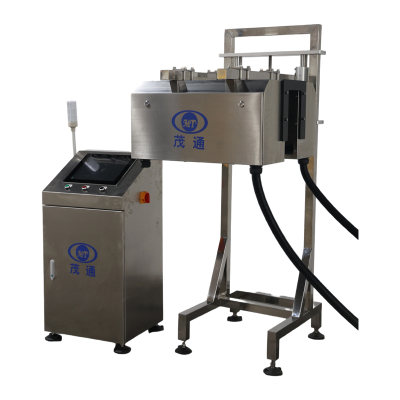
Best Can Vacuum Inspection Machine Stabilizes 1200 CPM Lines
In high-speed production lines, ensuring closure integrity is vital without slowing down operations or damaging containers. Our Best Can Vacuum Inspection Machine is engineered for non-contact online inspection, processing up to 1,200 cans per minute. It's compatible with a wide range of containers, including cans, three-piece cans, glass bottles, metal caps, and other flat, magnetically responsive caps. This Can Vacuum Inspection Machine specifically targets leakage-related risks such as missing lids, missing or double gaskets, air leakage, and expanded or irregularly shaped cans.

How EMP Acoustic Inspection Works
The Best Can Vacuum Inspection Machine leverages advanced electromagnetic pulse (EMP) technology. An instantaneous, precisely directed pulse, generated by an advanced exciting circuit, creates a high-energy magnetic field which causes any suitable magnetic lid to vibrate. A built-in acoustic sensor within the probe then captures this unique response, sending it to the processing unit for thorough analysis. Since leaking products and properly sealed ones exhibit distinct internal and external pressure conditions, their acoustic responses differ significantly, allowing the system to reliably distinguish them during dynamic conveying. The precision of our Can Vacuum Inspection Machine ensures unparalleled sealing integrity verification.

EMP excitation → magnetic lid vibration → acoustic response capture → signal analysis → sealing evaluation
For glass bottles, our system also incorporates sophisticated surface scanning technology. This continuously monitors the upper surface of the cap. Should the sealing be compromised or the internal bottle pressure become abnormal, a sudden change on the cap surface will occur. This allows the Can Vacuum Inspection Machine to accurately determine whether the cap's sealing or pressure condition meets our stringent quality standards, utilizing sonar-based acoustic analysis technology originally developed by the Institute of Oceanography. This advanced Can Vacuum Inspection Machine technology ensures comprehensive container assessment.
Detection Items and Performance
Rather than relying on vague claims, our Best Can Vacuum Inspection Machine clearly outlines its performance by defect type. This transparency is invaluable for buyers who need to precisely match inspection capabilities with their unique production risks. The Best Can Vacuum Inspection Machine offers robust detection across various critical parameters.
| Inspection item | Listed rejection rate | Listed false kick rate |
|---|---|---|
| No lid | >99.99% | <0.001% |
| Missing gasket | >99.9% | <0.001% |
| Double gasket | >99.93% | <0.03% |
| Air leakage | >99.99% | <0.03% |
| Expansion cans and irregular cans | >99.9% | <0.03% |
| Leakage test | — | <0.03% |
It's worth noting that rapid temperature changes can influence detection results and potentially lead to false rejections. Therefore, maintaining temperature stability is a key consideration during line planning and commissioning to maximize the effectiveness of your Can Vacuum Inspection Machine.
Operating Features for Fast Lines
Our Best Can Vacuum Inspection Machine is engineered for non-contact testing, ensuring fast detection and high precision without ever touching your products. Its adaptive design automatically adjusts to changes in production line speed, enabling real-time dynamic inspection. The equipment includes both audible and visual alarms, automatically rejecting any unqualified containers to maintain consistent product quality. The robust design of this Can Vacuum Inspection Machine also ensures uninterrupted performance.
Beyond that, it features robust hardware-based circuitry and an embedded operating system, guaranteeing long-term stable operation. It offers generous storage for up to 10 product types, simplifying automated operation and product switching. The system boasts a durable 304 stainless steel chassis and brackets, offering industrial protection up to IP65. The main unit is meticulously designed to be airtight, fog-proof, and water-resistant, providing excellent environmental adaptability even in the most demanding production areas. Our Can Vacuum Inspection Machine provides a high performance-price ratio, with critical components sourced from internationally recognized brands for dependable quality.
Installation Conditions Buyers Should Confirm
Proper installation is crucial for consistent performance of the Best Can Vacuum Inspection Machine. This equipment should be installed on a horizontal, single-row conveyor chain, and inspection must take place after the cooler. The conveyor chain should ideally be at least 1.5 meters long, with a longer and smoother conveying section always preferred for optimal results. For optimal functioning of the Can Vacuum Inspection Machine, these environmental factors are critical.
These details are key when integrating an inline leak inspection system into an existing filling or packaging line. Careful adherence to these guidelines will ensure your Can Vacuum Inspection Machine operates at peak efficiency. If other defects need checking, complementary systems might be necessary. For instance, our Visual Sealing Inspection Machine provides camera-based inspection, while Health Product Bottles Infrared Imaging Inspection is ideal for aluminum-foil electromagnetic sealing inspection through cap-surface heat distribution.
Practical Selection Guide
Choosing the right Can Vacuum Inspection Machine is a strategic decision that impacts overall production quality. Before selecting the Best Can Vacuum Inspection Machine, it's wise to confirm several factors: the container type, cap material, line speed, conveyor layout, cooler position, temperature stability, power supply, and compressed-air availability to ensure the Can Vacuum Inspection Machine meets your specific requirements. Consider whether your primary concerns are leakage-related or if other visual, code, cap, or sealing checks are also necessary.
Our team at Jinan Maotong Inspection Equipment Co., Ltd. is ready to assist with product inquiries and provide tailored solutions. You can reach us at +8618612569280 or via email at qibin@maotongtech.com. Our address is City Phase ll, No.4567 Gongye North Road, Licheng District, Jinan City, Shandong Province.
FAQs
Can the Best Can Vacuum Inspection Machine inspect glass bottles?
Yes, glass bottles are indeed among the compatible containers, and our Can Vacuum Inspection Machine effectively inspects them. The system evaluates sealing or internal-pressure abnormalities in glass bottles by using cap-surface scanning, ensuring their integrity.
Does EMP inspection work with every cap material?
No, it doesn't. For EMP inspection with the Can Vacuum Inspection Machine, the lid material must be magnetic for the technology to function effectively. For optimal detection, we also recommend using lids from the same production batch.
What is the maximum listed speed for the Can Vacuum Inspection Machine?
The Can Vacuum Inspection Machine boasts an impressive maximum throughput of 1,200 cans per minute, designed to keep pace with high-speed production lines and maintain efficiency.
Where should the machine be installed?
The Can Vacuum Inspection Machine should be installed after the cooler, on a stable, horizontal, single-row conveyor chain that is at least 1.5 meters long. A smoother and longer conveying section is always beneficial for optimal performance.
What utilities are required?
The system requires a 220V, 50Hz AC power supply with a total power draw below 120W. Additionally, external compressed air at 4–12 bar is needed for the rejection mechanism to operate effectively.