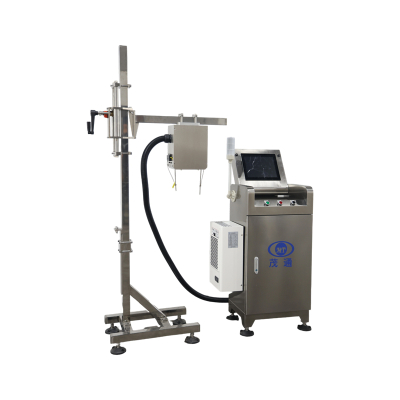
Choose a Beer Level Detection Machine for 400 cpm
Consistent beer fill levels are not only a packaging detail. They influence product appearance, quality control, material use, and the consumer’s first impression. Our beer level detection machine using X-ray penetration is designed for non-contact, inline inspection on beer canning and bottling lines, helping production teams identify underfilled or overfilled containers and reject nonconforming products automatically.

How X-ray Level Detection Works
A beer level detection machine operates on the penetration principle of X-ray inspection. As each container passes through the detection channel, the liquid level creates a different projection at the receiving end. The system converts this projection into numerical values and compares them with the standard parameters set by the user.

If the container falls outside the acceptable range, the inspection system identifies it as unqualified and sends a rejection signal. This allows the beer level detection machine to remove defective products from the conveyor without stopping the line, supporting continuous quality control in automated beverage production.
Performance Parameters Buyers Should Check
For a high-speed beer line, inspection speed, resolution, and rejection reliability must be evaluated together. The key technical parameters include:
| Item | Specification |
|---|---|
| Production line conveyor speed | ≤1.6 m/s |
| Container diameter | 20 mm–120 mm, depending on material density and diameter |
| Dynamic container resolution | ±1.5 mm, with foam and shaking potentially affecting accuracy |
| Static container resolution | ±1 mm |
| Unqualified container rejection rate | ≥99.99% at 400 containers/minute |
| Operating temperature | 0°C–40°C |
| Relative humidity | ≤95% at 40°C |
| Power supply | 220V ±20V, 50Hz |
These figures help engineers match the beer level detection machine to actual conveyor speed, container format, and rejection requirements instead of selecting equipment only by nominal line capacity.
Why Dynamic and Static Accuracy Differ
Static resolution is measured when the container is not moving, while dynamic resolution reflects real production conditions. In beer filling, foam, bubbles, vibration, and liquid movement can influence the measured level. That is why a beer level detection machine is specified with ±1 mm static resolution and ±1.5 mm dynamic container resolution.
This distinction is important during commissioning. A production team should set acceptance thresholds according to real line behavior, not laboratory conditions alone. For beer lines with frequent foam variation, stable parameter setting and proper conveyor guidance are especially important for reliable liquid level detection.
Installation Layout for Inline Beer Inspection
A beer level detection machine is typically installed downstream of the filling machine and can be positioned before or after the inkjet printer. The production line should provide a single-row conveyor chain with at least 2 meters of straight conveyor length at the installation point.
A guardrail opening of no more than 15 cm is required in the straight conveyor section to create the rejection outlet. The system composition generally includes an inspection unit, rejection unit, power distribution cabinet, human-machine interface, electronic assemblies, and mechanical components. A rigid collection box at the reject point is also recommended for handling defective containers.
Stability Features for Beverage Plants
Beer production environments often involve water droplets, fog, humidity, and temperature changes. The beer level detection machine uses a stainless steel housing and sealed mainframe design to improve adaptability in these conditions. Independent inspection and control cabinets help reduce electromagnetic interference between electronic components, supporting more stable operation.
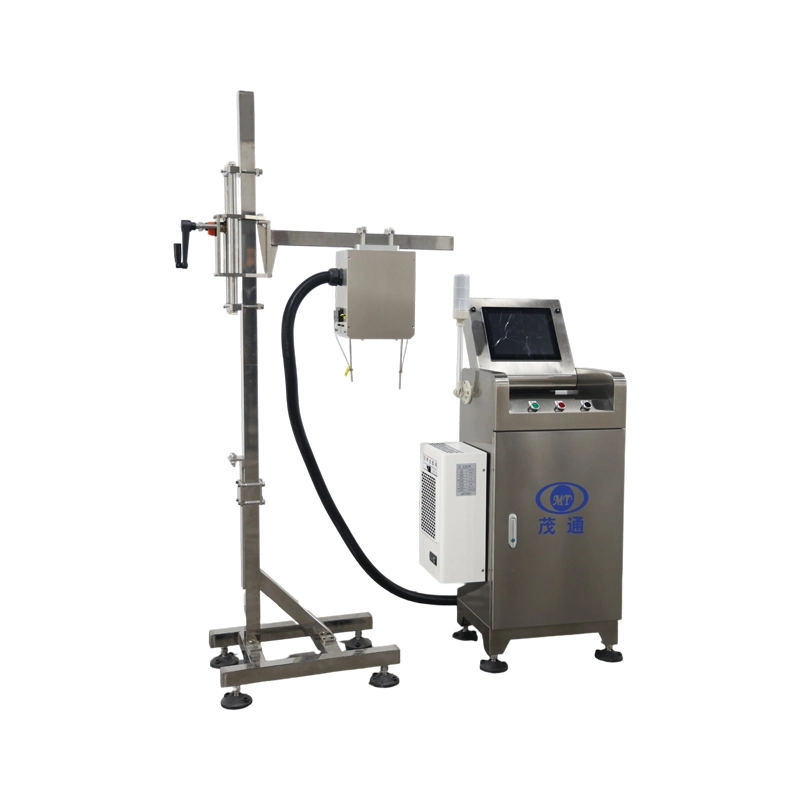
The system also includes automatic X-ray emission blocking during idle periods, hardware circuitry with an embedded operating system, and simultaneous audible and visual alarms. When an unqualified container is detected, the machine can automatically reject it from the production line.
Practical Benefits for Beer Filling Lines
A beer level detection machine supports non-contact online inspection without damaging cans or bottles. Encoder-based counting records the position of defective containers, so rejection accuracy is not affected by line pauses or speed changes. The system can also adapt to different production line speeds for dynamic inspection.
For beer producers, these functions help reduce manual checking, improve consistency across batches, and support reliable rejection of nonconforming products. The same inspection concept is also relevant to common packaging materials such as aluminum, tinplate, PE, PET, PP, ceramics, and glass, depending on product configuration and container conditions.
FAQs
Can a beer level detection machine detect both high and low fill levels?
Yes. Low liquid level detection is a standard function, while high liquid level detection is provided as an auxiliary function.
Does foam affect inspection accuracy?
Foam and shaking may affect dynamic detection accuracy. The specified dynamic container resolution is ±1.5 mm under production conditions.
What container diameter range is supported?
The applicable container diameter range is 20 mm–120 mm, with device selection depending on container material density and diameter.
Where should the machine be installed?
It is generally installed after the filling machine and before or after the inkjet printer, on a single-row conveyor with at least 2 meters of straight length.
What rejection performance can be expected?
The unqualified container rejection rate is ≥99.99% at a detection speed of 400 containers per minute.