Prevent Fill Errors With Smarter Beer Level Detection
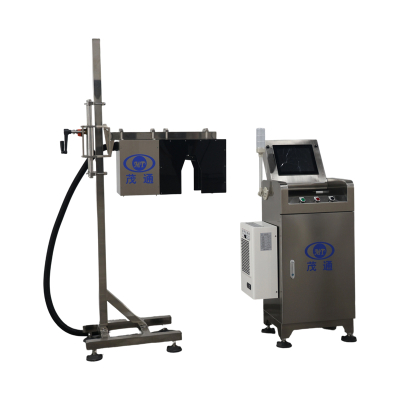
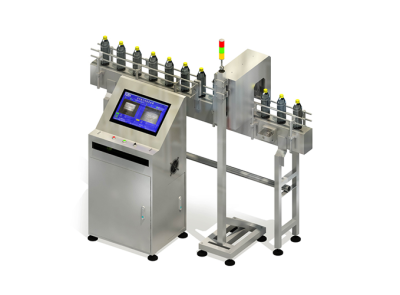
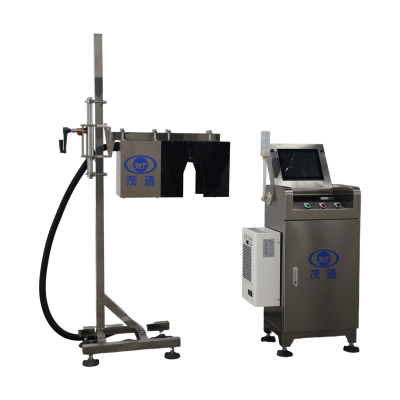
Our beer level detection machine is designed for online inspection of filled containers on beverage production lines. For beer canning, where lightweight cans move quickly and may be affected by foam or shaking, non-contact inspection is especially important. The system uses X-ray penetration to evaluate liquid level differences, compares signals against user-set parameters, and automatically rejects nonconforming containers without damaging cans.

Why Fill Level Control Matters on Beer Canning Lines
Underfilled cans can lead to customer complaints, compliance concerns, and unnecessary rework. Overfilled cans can increase product loss and affect downstream packaging stability. A beer level detection machine helps control these risks by checking each container inline rather than relying on random sampling or manual inspection.
In beverage inspection, X-ray methods are commonly used for metal containers because the beam can penetrate packaging materials that optical systems may not read reliably. In our equipment, X-ray penetration creates different projection values when liquid levels vary. The system then determines whether the container is within the acceptable range.
How the X-Ray Detection Principle Works
The beer level detection machine evaluates containers as they pass through the inspection area. Products with different fill heights form different projections at the receiving end, and these projections are displayed as numerical values. The detection system compares those values with the standard parameters set by the user.
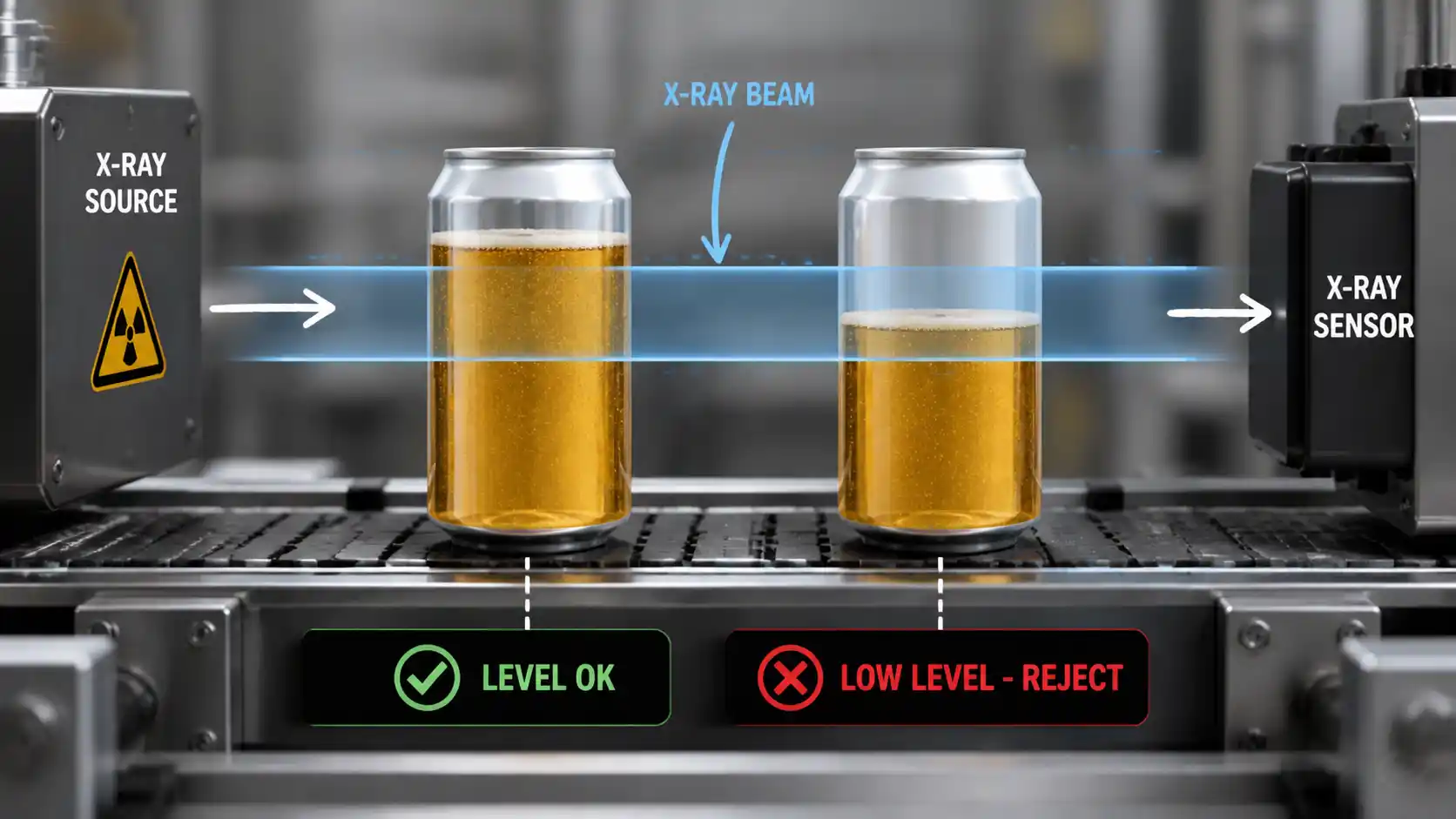
If the product is confirmed as unqualified, the system automatically removes it from the conveyor line. Low liquid level detection is the standard function, while high liquid level detection is supported as an auxiliary function. This setup makes the equipment suitable for production lines that need both routine underfill control and additional overfill monitoring.
Encoder Tracking Keeps Rejection Timing Stable
Precise rejection is one of the most important requirements for high-speed inspection. This beer level detection machine uses encoder-based counting, with the encoder installed on the synchronous motor of the conveyor chain. Once the defective can number is recorded, the rejection action remains linked to that container’s position.
This design helps maintain rejection accuracy even when the line stops or the production speed changes. Instead of relying only on fixed timing, the system tracks container movement through encoder signals. For operators, this means the rejected can is removed at the correct reject outlet, supporting stable operation during real production conditions.
Built for Dynamic Line Speeds and Harsh Environments
A beer level detection machine must work smoothly with changing conveyor speeds. This equipment automatically adapts to different production line speeds, enabling dynamic inspection without interrupting the line. The function is especially useful when the filler, conveyor, or downstream packaging equipment causes speed variation.
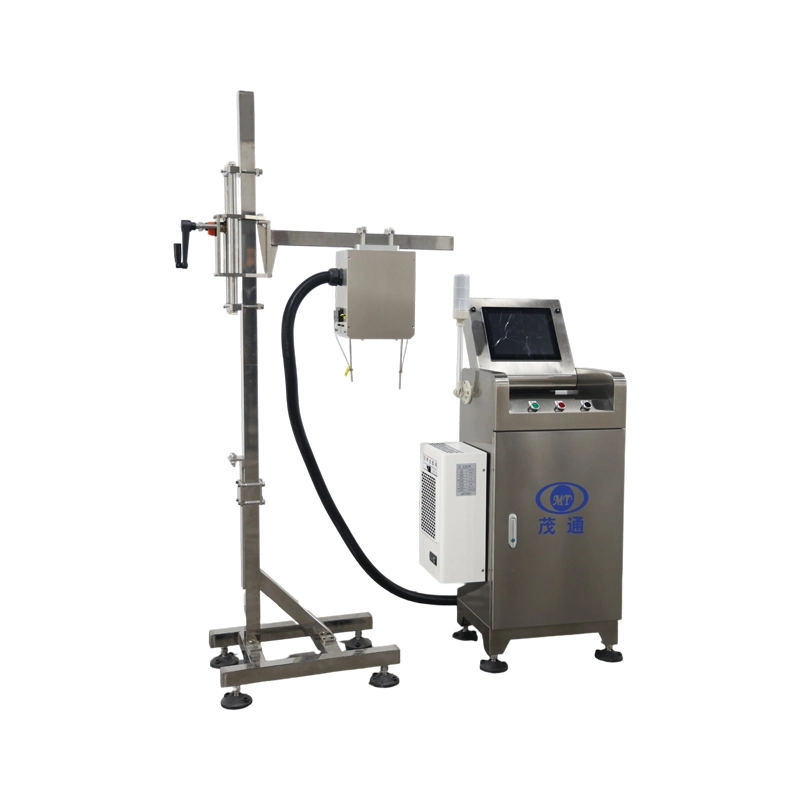
The structure also supports demanding beverage environments. Separate inspection cabinets and control cabinets reduce electromagnetic interference between electronic components. A stainless steel housing and sealed mainframe design provide resistance to fog, condensation, and water droplets. When the equipment is idle, X-ray emission is automatically blocked. Hardware circuitry and an embedded operating system support long-term stable operation, while audible and visual alarms work with automatic rejection.
Technical Parameters Buyers Should Review
Before selecting a beer level detection machine, buyers should compare line conditions with the equipment parameters. The following specifications define the operating range of this system:
| Item | Specification |
|---|---|
| Conveyor belt speed | ≤1.6 m/s |
| Container diameter | 20–120 mm, depending on material density and diameter |
| Dynamic container resolution | ±1.5 mm, foam and shaking may affect accuracy |
| Static container resolution | ±1 mm |
| Rejection accuracy | ≥99.99% at 400 containers/minute |
| Operating temperature | 0°C–40°C |
| Relative humidity | ≤95% at 40°C |
| Power supply | 220V ±20V, 50Hz |
The equipment is associated with online liquid level detection and can be configured for common packaging materials listed for this system, including aluminum, tinplate, PE, PET, PP, ceramic, and glass containers.
Installation Requirements for Existing Lines
The beer level detection machine is installed downstream of the filling machine and may be positioned either before or after the inkjet printer. The production line should include a single-row conveyor chain and a straight section of at least 2 meters at the installation point.
For rejection, a guardrail gap of no more than 15 cm should be opened in the straight conveyor section to allow defective containers to exit. The system mainly consists of an inspection unit, rejection unit, power distribution cabinet, human-machine interface, electronic assemblies, and mechanical parts. A rigid collection box is recommended at the reject location to receive defective products safely.
Practical Value for Beverage Producers
For beer plants and beverage packaging lines, the main value of a beer level detection machine is consistency. It inspects without contacting the container, adapts to changing production speeds, and links detection results with encoder-based rejection. These functions help reduce the risk of underfilled or overfilled containers reaching the next process.
A well-matched beer level detection machine also supports cleaner operation in humid environments, where condensation and water droplets are common. By combining X-ray fill inspection, dynamic speed adaptation, separate control architecture, and automatic alarms, the system provides a practical inspection point for modern beer canning lines.
FAQs
Does the beer level detection machine touch or squeeze cans?
No. The equipment performs non-contact online inspection, so cans are not damaged during liquid level checking.
What defects can the system detect?
The standard function is low liquid level detection. High liquid level detection is supported as an auxiliary function.
How does the system reject the correct can after detection?
An encoder installed on the synchronous motor records the defective can number and tracks its position, helping maintain rejection accuracy during speed changes or line stops.
Can the machine adapt to production speed changes?
Yes. The system automatically adapts to different production line speeds for dynamic inspection.
Where is the equipment installed?
It is installed downstream of the filling machine, either before or after the inkjet printer, on a single-row conveyor with at least 2 meters of straight section.