Keep Beer Fill Levels Stable on Fast Lines
In beer filling, small level deviations can create waste, packaging problems, and an uneven consumer experience. A beer level detection machine helps production teams inspect every container inline instead of relying only on manual sampling. Installed after filling, it checks whether each product meets user-set liquid level parameters and removes unqualified containers from the conveyor line.

What a Beer Level Detection Machine Does
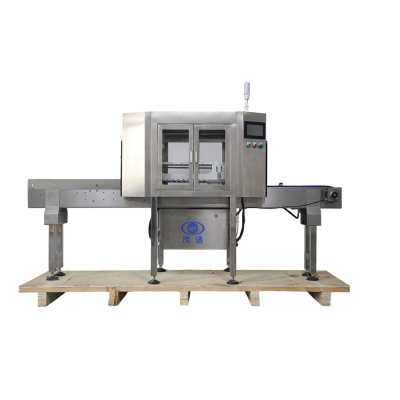
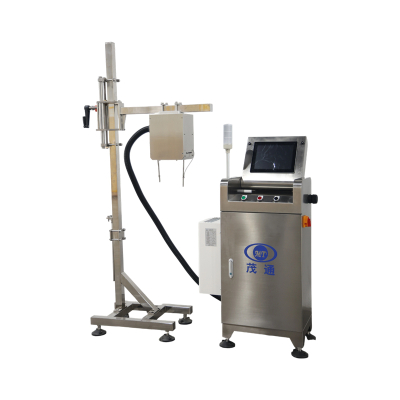
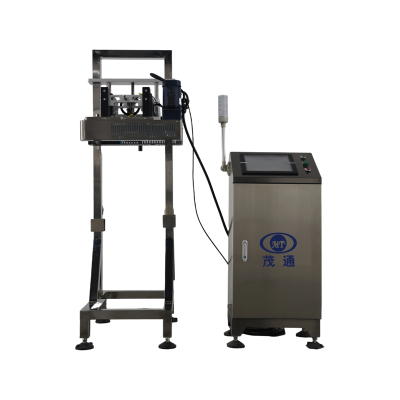
A beer level detection machine is designed for real-time liquid level detection and online rejection of non-conforming containers. The equipment is suitable for container materials including aluminum, tinplate, PE, PET, PP, ceramics, and glass, with an applicable product range of 200–2000 ml, diameter 30–90 mm, and height 50–200 mm. For buyers comparing inline inspection equipment, a related Liquid Level Inspection Machine page gives a broader view of the same inspection category.
The beer level detection machine supports continuous operation on beverage production lines where speed, hygiene, and stable rejection are important. Its non-contact inspection method avoids product damage, while the rejection system separates products judged outside the accepted range.
High Liquid Level Detection as an Auxiliary Check
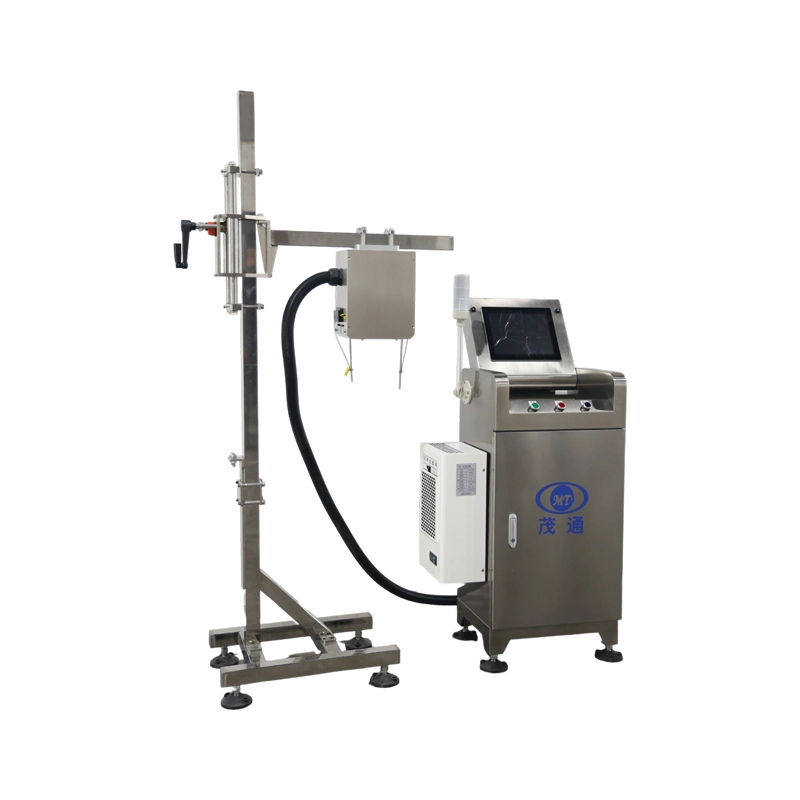
High liquid level detection is used as an auxiliary safeguard. Although low fill is often the main concern in beer production, overfilled containers may still affect sealing consistency, internal pressure behavior, or downstream packaging stability. A beer level detection machine compares each container with upper threshold parameters set by the user.
When the numerical value indicates that the liquid level is above the qualified range, the container is marked as unqualified and rejected. This auxiliary function helps identify abnormal filling conditions before products move further into coding, labeling, or packing.
Low Liquid Level Detection as the Standard Judgment
Low liquid level detection is the standard judgment item for a beer level detection machine. Underfilled beer containers can reduce delivered product value and may increase customer complaints. During inline inspection, the system checks each passing container against the minimum acceptable level set by the operator.
If the detected signal falls below the standard parameter, the machine sends a rejection signal and removes the container from the line. Because the process is based on digital signal comparison rather than visual estimation, the beer level detection machine provides consistent judgment under normal production conditions.
X-ray Detection Principle
The detection principle of the beer level detection machine uses X-ray penetration. When a container passes through the X-ray emission channel, products with different liquid levels form different projections at the ray receiving end. These projections are converted into numerical values and processed by the control unit.

The system then determines whether the product is qualified according to the standard parameters set by the user. If the product is confirmed to be unqualified, the detection system automatically removes it from the conveyor line. This non-contact X-ray fill level inspection method is especially useful for opaque containers where ordinary visual inspection cannot directly observe the internal beer level.
Key Specifications Buyers Should Review
For line planning, buyers usually evaluate whether a beer level detection machine matches container size, conveyor speed, and rejection requirements. The Beer level detection machinemodel information includes the following technical points:
| Item | Specification |
|---|---|
| Conveyor speed | ≤1.6 m/s |
| Container diameter | 20–120 mm, configurable |
| Dynamic resolution | ±1.5 mm, affected by foam or turbulence |
| Static resolution | ±1.0 mm |
| Rejection accuracy | ≥99.99% at 400 containers/min |
| Operating temperature | 0°C–40°C |
| Relative humidity | ≤95% at 40°C, non-condensing |
| Power supply | 220V ±20V, 50Hz, single-phase |
| Total power consumption | Approx. 1.0 kW |
| Control voltage | 24 VDC |
The equipment also uses a stainless steel housing, sealed structure, independent inspection and control cabinets, audible and visual alarms, and automatic X-ray shutoff when idle. Encoder-based counting supports rejection accuracy even when line speed changes or the conveyor stops.
Installation and Line Integration
A beer level detection machine is typically installed after the filling machine and before or after the inkjet printer. The installation requires a single-row conveyor chain with a straight section of at least 2 meters. A guardrail gap of no more than 15 cm in the straight section may need to be modified for the reject outlet, and a rigid collection box is recommended for rejected containers.
When used with other inspection equipment, such as an Empty Can Inspection Machine before filling or a Cap and Liquid Level Inspection Machine for combined checks, liquid level control becomes part of a more complete beverage quality process.
Conclusion
A beer level detection machine gives breweries and beverage plants a practical way to inspect high and low fill levels inline. Low liquid level detection acts as the standard quality judgment, while high liquid level detection adds an auxiliary safeguard against overfill-related issues. With X-ray projection analysis, user-set parameters, and automatic rejection, the beer level detection machine helps keep production lines more stable and product quality more consistent.
FAQs
1.What is the main purpose of a beer level detection machine?
It detects whether each container’s liquid level meets user-set parameters and rejects unqualified products online.
2. Which detection item is standard?
Low liquid level detection is the standard judgment item because underfilled products directly affect delivered product quantity.
3. Why include high liquid level detection?
High liquid level detection works as an auxiliary check to identify overfilled containers before downstream packaging.
4. Is the inspection contact-free?
Yes. The machine uses non-contact X-ray penetration technology, so the container is not damaged during inspection.
5. Where is the machine usually installed?
It is typically placed after the filling machine and before or after the inkjet printer.