News Center
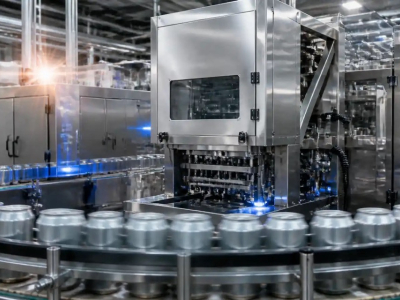
For the Best Can Vacuum Inspection Machine, proper installation is critical for optimal inspection performance. This sophisticated system relies on non-contact detection: an electromagnetic pulse excites a magnetically responsive lid, a specialized probe captures the resulting acoustic response,…
2026/08/25 10:34
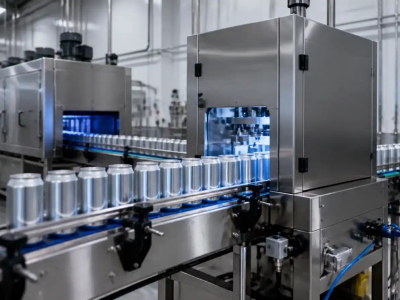
Correct installation is more than a mere setup detail for our Best Can Vacuum Inspection Machine. It profoundly impacts detection stability, rejection accuracy, and the production line's ability to run smoothly at its impressive maximum throughput of up to 1,200 cans per minute. Our equipment is…
2026/08/25 10:30
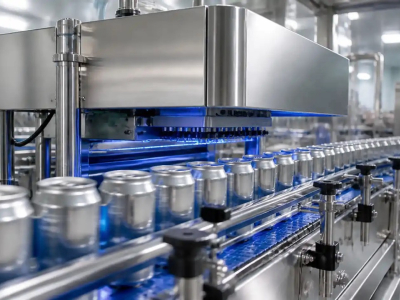
For filled-can production, sealing inspection must be fast enough to match the line and stable enough to support daily quality control. The Best Can Vacuum Inspection Machine is specifically engineered for non-contact inline inspection of filled products, particularly those with flat, magnetically…
2026/08/24 13:31
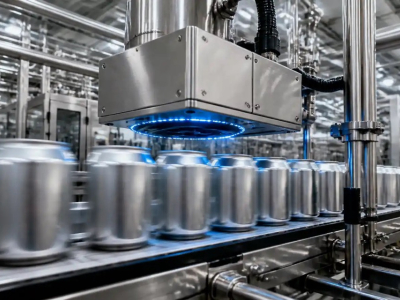
In high-speed production lines, ensuring closure integrity is vital without slowing down operations or damaging containers. Our Best Can Vacuum Inspection Machine is engineered for non-contact online inspection, processing up to 1,200 cans per minute. It's compatible with a wide range of containers…
2026/08/24 13:26
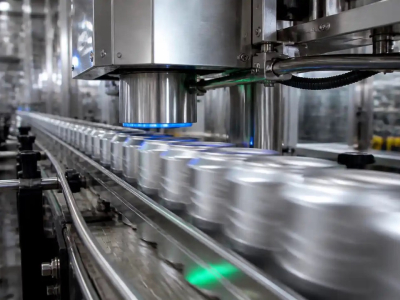
On a fast-paced filled-container line, the most costly defects are often those operators can't easily spot. A can might appear fine, yet its lid response, gasket condition, or internal pressure could reveal a hidden problem. The Best Can Vacuum Inspection Machine is specifically engineered to…
2026/08/22 10:56
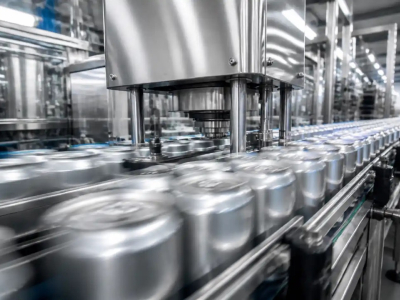
High-speed packaging lines demand seal inspection solutions that match production pace without disrupting the container flow. Our Best Can Vacuum Inspection Machine is specifically designed as a Filled Product Leakage Detection System for real-time online inspection of filled items. It identifies…
2026/08/22 10:52
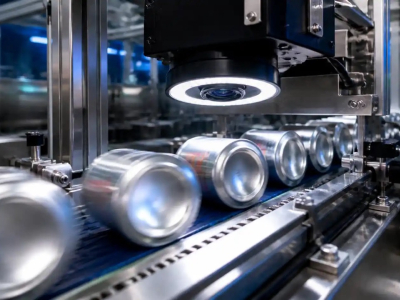
For high-speed beverage can lines, relying on occasional manual checks often creates significant gaps between inspection points. Our Code Inspection System is engineered to meticulously inspect inkjet printing on can bottoms inline, in real-time, and without any physical contact with the can body.…
2026/08/21 08:48
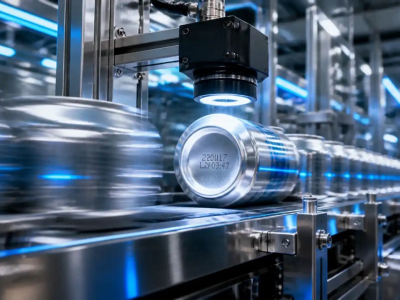
A small inkjet date code on the bottom of a beverage can can truly decide whether a product remains traceable, compliant, and ready for packing. Our Code Inspection System Code Inspection System is specifically designed for inline inspection of inkjet print quality on can bottoms. It helps…
2026/08/21 08:43
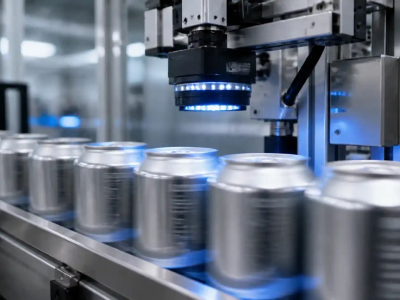
Every beverage can rolling off a high-speed production line carries a crucial piece of information: the bottom code. This isn't just a simple print; it's a vital identifier, encoding production dates, factory details, and critical anti-counterfeiting data. For both consumer safety and brand…
2026/08/20 11:58
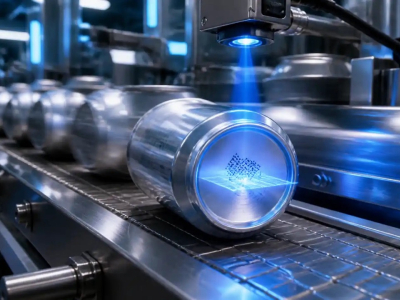
For beverage lines operating at high throughput, manual verification of bottom inkjet codes proves challenging to maintain consistent quality. Our Code Inspection System Code Inspection System offers a robust solution, engineered for non-contact inline inspection of can-bottom printing at…
2026/08/20 11:45
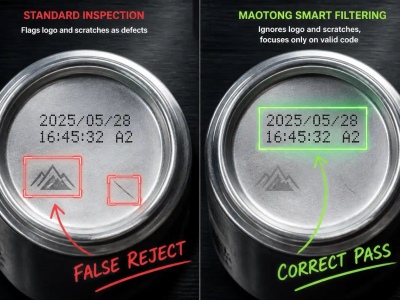
For beverage can lines, a readable bottom code is more than just a printing detail. It's crucial for product traceability, date verification, factory-code control, and anti-counterfeiting checks. Jinan Maotong Inspection Equipment Co., Ltd.'s Code Inspection System is a sophisticated solution…
2026/08/19 14:02
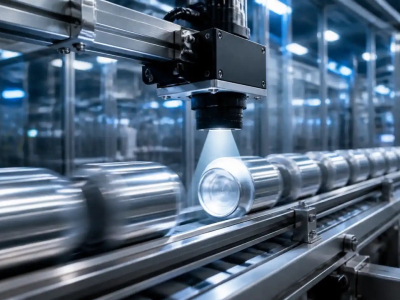
For high-speed can lines, finding a bad bottom code is only half of the job. The inspection result must stay linked to the same physical can until it reaches the rejection point. The Code Inspection System from Jinan Maotong Inspection Equipment Co., Ltd. serves for inline, non-contact inspection…
2026/08/19 13:58